

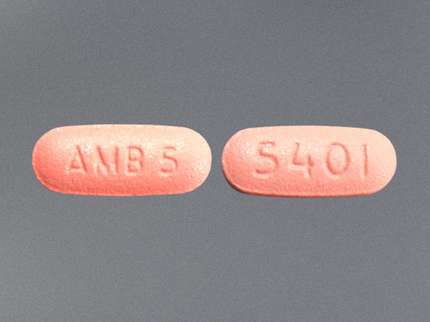
Ambien (Zolpidem) for Insomnia: What to Know Before Treatment
If you are here because you have been staring at the ceiling at 2:13 a.m., checking the clock every 40 minutes, and still dragging yourself through the next day, you are not looking for clever copy. You want sleep. Real sleep.
Insomnia can make small things feel hard. You forget simple tasks. You reread the same email three times. You snap at people you care about. Some people can function like that for a day or two. After a few weeks, it starts to affect work, driving, mood, and health.
Ambien, the brand name for zolpidem, is one of the medicines doctors may consider for short-term insomnia treatment in some adults. It is not the right fit for everyone. It is not a casual sleep aid. It is a prescription sedative-hypnotic, which means it slows brain activity to help with sleep, and it comes with real risks that should be discussed clearly before treatment begins.
That is why a serious insomnia website should do more than list product names and prices. It should explain what the medicine is for, who may be a candidate, who may not be, what side effects matter, and when a sleep problem needs a deeper workup instead of a faster checkout.
Sleep Problems Are Not All the Same
A person who cannot fall asleep until 4 a.m. is different from a person who falls asleep fast but wakes up four times a night. A night-shift nurse has a different sleep pattern than a parent with a newborn. Someone who snores loudly, wakes with headaches, and nods off in traffic may have sleep apnea, not simple insomnia. Someone whose sleep worsened after starting a steroid, antidepressant, or stimulant may need a medication review first.
That difference matters.
Recognized sleep medicine guidance treats chronic insomnia as something that should be evaluated and managed, not guessed at from a few checkboxes.
A Careful Review May Include:
- How long the sleep problem has been going on
- Whether the problem is falling asleep, staying asleep, or waking too early
- What time you go to bed and what time you actually sleep
- Alcohol, cannabis, nicotine, caffeine, or energy drink use
- Other medicines that may affect sleep
- Anxiety, depression, pain, reflux, menopause symptoms, or shift work
- Snoring, gasping, leg movements, or morning headaches
That may sound basic, but it is where good care starts.
What Ambien Is, and What It Is Not
Zolpidem is a prescription medicine used for insomnia. In simple terms, it may help some people fall asleep faster, and some forms may help with staying asleep. It is not a cure for every sleep problem. It does not fix poor sleep habits, untreated anxiety, sleep apnea, stimulant overuse, or the kind of schedule chaos that comes from alternating day and night shifts.
That last point matters more than most websites admit.
Some people do not need a stronger sleep medicine. They need a better sleep plan. Others need cognitive behavioral therapy for insomnia, often called CBT-I. That is a structured treatment that helps change the thoughts and habits that keep insomnia going. It takes more effort than taking a pill, but for many people, it is the more durable fix.
When a Clinician May Consider Zolpidem
A clinician may consider zolpidem when an adult has insomnia symptoms that are significant enough to affect daily life and when the person’s history suggests that the benefits may outweigh the risks. That decision should take into account age, other medicines, pregnancy status, history of substance misuse, breathing problems during sleep, fall risk, and prior reactions to sleep medicines .
A few real-world examples make this easier to understand.
One patient may be a healthy adult who has developed short-term insomnia during an unusually stressful month, has no major drug interactions, and has already tried basic sleep changes without improvement.
Another patient may not be a fit at all: an older adult with balance problems, two other sedating medicines, and a history of sleepwalking.
Those are both “can’t sleep” stories. They are not the same medical decision.
The Safety Section Most Websites Keep Too Short
If you publish a page about zolpidem, this part should not be hidden in tiny text.
The FDA requires a boxed warning for zolpidem and certain other insomnia medicines because rare but serious injuries and deaths have happened during complex sleep behaviors. These include sleepwalking, sleep driving, and doing other activities while not fully awake. In reported cases, people were injured or killed. Some events happened even at the lowest recommended doses, and some happened after a single dose.
That is not a technical footnote. That is front-page information.
Here is one detail many readers do not expect: people have reported making phone calls, preparing food, eating, or having sex while not fully awake, then not remembering it the next morning.
There is also next-morning impairment. Even if someone feels “fine,” alertness may still be reduced. Driving, using machinery, or doing anything that depends on fast judgment can be unsafe.
Alcohol and other drugs that depress the central nervous system can increase risk. So can certain pain medicines, anti-anxiety medicines, muscle relaxers, and other sedatives .
A serious page should say this plainly: if you have ever had a complex sleep behavior on zolpidem or a similar sleep drug, that matters. It is not something to shrug off and “try again later” .
One Honest Limitation
Not every person who wants a sleep prescription should get one online.
That is not great marketing copy. It is still true.
Some people need an in-person exam. Some need screening for sleep apnea. Some need lab work, a medication review, or help with anxiety, depression, trauma, pain, or substance use before a sleep drug is even on the table. And some people do better with CBT-I than with repeated refills.
If your page admits that, it will sound more human than ten paragraphs of polished sales language.
What Responsible Online Insomnia Care Should Look Like
A careful online process is not complicated, but it should be thorough.
First, the patient should complete a medical intake that asks about sleep pattern, symptoms, current medicines, allergies, substance use, mental health history, pregnancy status, and prior response to sleep treatment.
Second, a licensed clinician should review that information, not just a payment screen.
Third, the clinician should decide whether the sleep problem looks like insomnia, another sleep disorder, or a broader medical issue.
Fourth, if treatment is appropriate, the patient should get clear instructions about use, side effects, interactions, what to avoid, and when to stop and seek help.
Fifth, there should be follow-up.
That last step matters because sleep treatment is not just about whether someone slept better on night one. It is about whether the treatment is still helping after a few days, whether side effects appeared, whether there is morning grogginess, and whether the original sleep problem may actually be something else.
Questions Patients Usually Have
Is Ambien Meant for Long-Term Use?
That is a question for a clinician, but patients should know this: if insomnia lasts longer than about 7 to 10 days, it may point to another medical problem that deserves evaluation.
Can I Drink Alcohol with It?
A patient should talk with a clinician first, but the general safety point is clear: zolpidem can add to the effects of alcohol and other medicines that slow the nervous system, which can increase sedation and other risks .
What If I Had a Bad Reaction Before?
That should be disclosed before treatment. The FDA says these medicines should not be used in patients who have previously had complex sleep behaviors with them .
What If I Am Pregnant or Think I May Be Pregnant?
That should be discussed with a clinician before treatment. Mayo Clinic notes that use during the last 3 months of pregnancy can harm a newborn .
What Patients Can Do Before a Consultation
Patients often expect a clinician to ask only one question: “How many hours are you sleeping?”
Usually, the more useful question is, “What is happening in the three hours before bed?”
That window matters.
Write down bedtime, actual sleep time, wake-ups, caffeine timing, alcohol use, exercise timing, naps, snoring, and what happens on weekends. Even two or three days of notes can help. A lot of insomnia stories change once the pattern is on paper.
That is the unexpected part of sleep care: sometimes the key detail is not the night itself. It is the 5 p.m. energy drink, the 8:30 p.m. nap, the 10:45 p.m. doomscrolling, or the glass of wine that feels relaxing but leads to a 3 a.m. wake-up.