
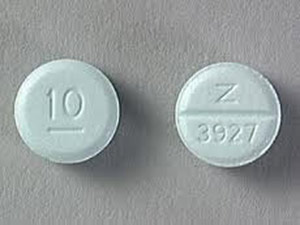
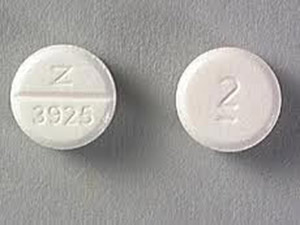

Diazepam: What Patients Should Know Before Requesting Treatment Online
If you came here looking for diazepam, slow down for a minute.
This medicine can help in the right situation. It can also cause real harm when it is used without proper medical review. That is not a scare line. It is the reason diazepam is prescription-only in many countries and tightly controlled in many healthcare systems.
A lot of pages on the internet make this sound simple. Pick a dose. Add to cart. Wait for delivery.
That is not how safe care works.
The safer question is not “How fast can I get diazepam?” The safer question is “Is diazepam even appropriate for me, and if it is, what checks should happen first?”
That is the standard we believe patients deserve.
What diazepam is
Diazepam belongs to a group of medicines called benzodiazepines. These medicines act on the central nervous system, which means they affect the brain and body in ways that can reduce anxiety, relax muscles, and cause drowsiness.
Doctors may prescribe diazepam for short-term use in situations such as:
- severe anxiety symptoms
- acute muscle spasm
- alcohol withdrawal management
- certain seizure-related situations
- short-term sedation in specific clinical settings
It is not a casual medicine. It is not a good fit for every anxious day, every bad week, or every sleep problem.
That matters because many people asking for diazepam are not actually asking for diazepam. They are asking for relief. Relief from panic, insomnia, racing thoughts, muscle tension, or fear that they will not cope tomorrow the way they barely coped today.
Those are real problems. But the right answer is not always this drug.
Why proper screening matters
A licensed clinician should review more than your symptoms before deciding whether diazepam is appropriate.
They should ask about:
- your age
- current medicines
- alcohol use
- pregnancy or breastfeeding
- past substance use
- breathing conditions such as sleep apnea or COPD
- liver problems
- depression, suicidal thoughts, or other mental health conditions
- past reactions to benzodiazepines
- whether you drive, operate machinery, or care for children or vulnerable adults
Those questions are not paperwork for the sake of paperwork. They help prevent predictable harm.
For example, diazepam can increase sedation. When combined with alcohol, opioid pain medicine, or some sleep medicines, that sedation can become dangerous. In some patients, it can slow breathing. In others, it can raise the risk of falls, confusion, or memory problems.
A rushed checkout flow cannot catch that well. A proper clinical review can.
Signs diazepam may not be the right option
There are situations where a clinician may decide not to prescribe diazepam, even if a patient asks for it directly.
That can happen when:
- symptoms suggest a different underlying condition
- long-term anxiety needs therapy or another treatment plan instead
- the risk of dependence is too high
- the patient is already taking medicines that interact badly
- the patient has a history of misuse
- the patient needs urgent in-person assessment rather than online prescribing
This can frustrate people. We understand that. It is still the right call when safety is on the line.
One of the hardest lessons in online care is this: a fast answer is not always a good answer.
The issue many websites avoid
Here is the part many competitors skip.
Some patients feel better quickly on diazepam because it works fast. That short-term relief can make it tempting to rely on it too often, take it longer than planned, or feel like nothing else works as well. That is one reason dependence can develop.
This does not happen to everyone. But it happens often enough that any honest page about diazepam should say it plainly.
If a website talks only about convenience and never about dependence, tolerance, or withdrawal, that is a red flag.
What a safer online process should look like
If diazepam is discussed through an online service, the process should not feel like buying headphones or vitamins.
A safer process usually includes:
- A detailed medical questionnaire
- Review by a licensed clinician
- Identity and eligibility checks
- Clear dose and duration limits
- Safety advice in plain English
- Follow-up
If a provider skips most of that, you are not looking at careful care. You are looking at risk wrapped in convenience.
Common side effects patients should know
Not everyone gets side effects, but patients should know the common ones before treatment starts.
These may include:
- drowsiness
- dizziness
- poor coordination
- slowed reaction time
- blurred thinking
- memory problems
- fatigue
For some people, the most important safety issue is not what happens in the first hour after taking diazepam. It is what happens the next morning when they assume they are fine to drive.
That assumption can be wrong.
An unexpected detail most pages leave out: patients do not always describe the effect as “sleepy.” Some describe it as feeling slightly disconnected, slower, or “off by half a second.” That can still be enough to affect driving, childcare, stair safety, or workplace concentration.
Serious risks that should not be hidden in small print
Diazepam can carry more serious risks in some patients.
These may include:
- breathing problems, especially with other sedating substances
- falls and injuries, particularly in older adults
- worsening confusion
- dependence
- withdrawal symptoms if stopped suddenly after repeated use
- overdose risk when mixed with alcohol, opioids, or illicit sedatives
This is why medical review matters so much.
A page that treats diazepam like a routine lifestyle product is not doing patients a favor.
If your main problem is anxiety
Many people searching for diazepam are dealing with anxiety, panic symptoms, or severe stress.
That deserves proper care. But short-term symptom relief is only one part of the picture.
Depending on your symptoms, a clinician may instead discuss:
- talking therapy
- sleep support strategies
- stress-related lifestyle changes
- non-benzodiazepine medicines
- treatment for an underlying mental health condition
- urgent assessment if symptoms are severe or involve self-harm risk
This is not a brush-off. It is often better medicine.
A patient who has not slept well for three nights may feel certain they need a sedative. Sometimes they do. Sometimes they need treatment for panic disorder, depression, grief, trauma, medication side effects, or alcohol-related rebound anxiety. Those are not small differences.
If your main problem is sleep
Diazepam is not a universal answer to insomnia.
Poor sleep can come from:
- anxiety
- shift work
- menopause
- pain
- sleep apnea
- stimulant use
- alcohol use
- depression
- poor sleep habits
- another medication
If the cause is never checked, the medicine can mask the problem without fixing it.
That is one reason a clinician may ask questions that seem unrelated to sleep at first. Snoring. Morning headaches. Alcohol. Night shifts. Hormonal symptoms. Antidepressants. Caffeine. Those details change the treatment plan.
If you already take other medicines
This is where online safety often fails.
Diazepam can interact with other medicines and substances, including:
- opioid pain medicines
- sleeping tablets
- alcohol
- some antihistamines
- some antipsychotics
- some anti-seizure medicines
- muscle relaxants
Even when each medicine is legal and prescribed, the combination can still be unsafe.
That is why patients should always disclose every regular, occasional, and over-the-counter medicine they take. Yes, even the “just once in a while” ones.
A limitation we should say out loud
Online care has limits.
A clinician reviewing you remotely cannot check everything they could check in person. They cannot observe gait the same way, smell alcohol on the breath, assess full mental state as deeply, or respond to a sudden deterioration as quickly as an in-person team can.
That does not make online care useless. It does mean there must be boundaries.
If you have chest pain, severe confusion, suicidal thoughts, breathing trouble, seizure activity, or you feel unsafe, online prescribing is not the place to solve that. You need urgent in-person help.
One lesson worth admitting
Healthcare websites often assume patients want short pages with only the “buy now” details.
That assumption is usually wrong for medicines like diazepam.
When people are scared, exhausted, or anxious, they do not just want speed. They want to know someone is paying attention to the risks they may miss themselves. They want a process that feels careful enough to trust.
The first generation of many online medicine pages got this wrong across the industry. They focused on conversion and convenience. Too little explanation. Too little context. Too little warning.
Patients deserve better than that.
Questions worth asking before you use any online provider
Before you request treatment from any service, ask:
- Is there review by a licensed clinician?
- Are prescription rules followed in my location?
- Is there a clear explanation of risks and side effects?
- Are there limits on dose and duration?
- Is follow-up available if my symptoms change?
- Is the provider willing to say no when the medicine is not appropriate?
If the answer to several of those is unclear, pause.
A trustworthy process is not the one that always says yes. It is the one that knows when yes would be careless.
What responsible patient information should include
A useful diazepam page should help patients understand:
- what the medicine is for
- what it is not for
- who may need extra caution
- what side effects are common
- what risks are serious
- when to avoid alcohol and sedating drugs
- why short-term use is often preferred
- when urgent medical care is needed instead
- what alternatives may be discussed
That is not filler. That is informed consent in readable language.
When to seek urgent help
Seek urgent medical help right away if someone taking diazepam has:
- severe breathing trouble
- extreme sleepiness that is hard to wake from
- collapse
- seizure activity
- confusion that is sudden or severe
- suspected overdose
- thoughts of self-harm or suicide
Do not wait for an email reply or a portal message in those situations.
The bottom line
Diazepam can be useful. It can also be misused, overused, or prescribed in situations where a different plan would be safer.
That is why this should never be treated like a casual online purchase.
A careful process matters. Proper screening matters. Clear limits matter. Honest warnings matter.
Most of all, context matters.
If you are seeking treatment, the goal should not be to get the fastest possible prescription. The goal should be to get the right care, from a licensed clinician, with enough review to protect you from the risks that rushed websites often ignore.