
Showing all 2 results
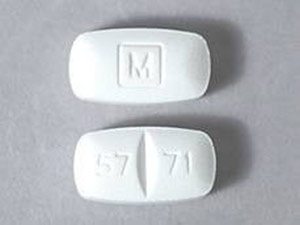
Methadone 10mg
$311.00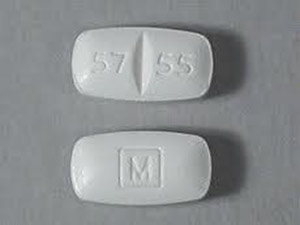
Methadone 5mg
$312.00Methadone Treatment Online: What Patients Should Know Before They Start
If you’re looking for methadone online, you may be trying to solve a real problem fast.
Maybe you’re in withdrawal. Maybe you’re trying to stop using fentanyl, heroin, or pain pills before things get worse. Maybe you’re tired of calling clinics, waiting for answers, and reading pages that sound polished but say almost nothing.
Let’s keep this simple.
Methadone is not an over-the-counter medicine. It is not something a legitimate clinic should present like a shirt in a shopping cart. It is a tightly regulated treatment used for opioid use disorder and, in some cases, pain. If methadone is part of your care plan, it should start with a proper medical review, a clear treatment process, and a licensed program that can explain exactly what happens next.
That matters because people who need methadone are often making decisions under stress. Not “I’ll compare five websites later” stress. Real stress. Sweating. Not sleeping. Trying not to use again. Trying to hold a job together. Trying to keep family members from noticing how bad things feel.
We know that moment is not a marketing exercise. It’s a health decision.
What methadone is, in plain language
Methadone is a long-acting opioid medication used in treatment for opioid use disorder. It can reduce withdrawal, lower cravings, and help some patients stabilize enough to rebuild daily life. That may mean getting through a work shift without being sick. It may mean making it to family dinner. It may mean sleeping a full night for the first time in months.
But methadone is not casual care. The dose has to fit the patient. Other medications matter. Heart risks matter. Alcohol use matters. Breathing problems matter. Pregnancy matters. Storage at home matters. A bad fit, a hidden drug interaction, or using more than prescribed can turn dangerous fast.
That is why real treatment starts with evaluation, not checkout.
SAMHSA states that methadone used to treat opioid use disorder can only be dispensed through a certified Opioid Treatment Program, often called an OTP. Patients may qualify for take-home doses later, depending on clinical judgment, treatment progress, and state rules.
What “online methadone treatment” should actually mean
A lot of websites use the word “online” loosely. That creates confusion.
A legitimate online-first treatment experience may include education, appointment requests, intake forms, care coordination, counseling, follow-up communication, and help understanding program rules. It may help you start the process faster. It may reduce unnecessary back-and-forth. It may help you show up prepared.
What it should not mean is “click here, pay now, and methadone ships out like a consumer product.”
That is the line.
If a site makes methadone look casual, easy, or anonymous in a way that skips medical review, that should make you pause. Fast.
A treatment page should answer practical questions instead. Who evaluates me? What history do you need? How do you handle drug interactions? What do first visits look like? When are take-home doses considered? What happens if I miss an appointment? What if I’m pregnant? What if I’m using benzodiazepines, drinking heavily, or taking other sedating medications?
Those are not small details. They are the whole point.
The part most websites skip
People do not look for methadone because they enjoy researching treatment.
They look because something in life has become unstable. Work. Sleep. Mood. Money. Relationships. Safety.
One patient may be trying to stop fentanyl use after two overdoses in six months. Another may have started with prescription pain pills after surgery and ended up dependent years later. Another may be doing well in recovery overall but is terrified of relapse after a move, job loss, or breakup. These stories are not identical, and treatment should not pretend they are.
That’s one of the reasons generic drug-page language fails here. It flattens a serious clinical issue into product copy.
It also misses a very human truth: many patients are ashamed before they are informed. They expect to be judged before they expect to be helped. A good treatment page should lower confusion, not pile on sales pressure.
What a careful treatment process looks like
A solid methadone treatment process is not flashy. It is clear.
First comes assessment. That includes your opioid use history, current substances, past treatment, medical issues, mental health concerns, and medications that may interact with methadone. If a program doesn’t ask enough questions, that is not efficiency. That is a problem.
Next comes treatment planning. Some patients may be appropriate for methadone. Others may be better served by buprenorphine or another path depending on history, access, risk, and preference. Good care is not forcing every patient into the same lane.
Then comes monitoring. Methadone doses are often adjusted over time. Early treatment can require close observation because what feels “not enough” to a patient in withdrawal is not the same thing as “safe to increase immediately” from a medical standpoint.
This is the lesson many patients learn the hard way: relief and safety are not always the same timeline.
Later, if treatment is going well, some patients may become eligible for take-home medication. SAMHSA guidance describes step-based flexibility, with possible take-home allowances increasing over time based on clinical judgment and state participation. That flexibility exists to reduce barriers to care, but it is not automatic and it is not one-size-fits-all.
Methadone treatment is not the easiest path in the first week.
That’s worth saying out loud.
Some patients want treatment to feel immediate and friction-free. Methadone care usually isn’t. There are rules. There is paperwork. There may be observed dosing. There may be wait times, urine screens, counseling requirements, transportation problems, child-care problems, or job scheduling issues. None of that makes the treatment bad. It makes it real.
A website that hides that reality usually creates more frustration later.
A better approach is honesty: this process can feel demanding at the beginning, especially when you already feel awful. But structure is part of what makes the treatment safer.
One detail that matters more than people think
Storage.
Most websites barely mention it. They should.
Methadone left in the wrong place can be deadly to a child, dangerous to a pet, and risky in a crowded household where privacy is already thin. For some patients, the question is not just “Can I manage treatment?” It is also “Can I store medication safely where I live right now?”
That may sound like a small household issue. It isn’t. It is part of safe treatment planning.
SAMHSA specifically warns patients not to share methadone, to keep it away from children and pets, and to take it exactly as prescribed.
Who this page is for
This page is for adults who want accurate information before starting treatment. It is for family members trying to understand the process. It is for people who are tired of vague promises and want straight answers.
It is also for the person reading at 2:10 a.m. with three browser tabs open, trying to decide whether tomorrow is the day to ask for help.
If that is you, here is the core message: you do not need perfect timing, perfect language, or a perfect backstory to start a treatment conversation. You do need licensed care, a real assessment, and clear next steps.
Questions patients ask before they reach out
A common question is whether methadone can really help if someone has relapsed more than once.
Yes. Relapse history does not automatically mean treatment will fail. It often means the current plan has not been the right fit yet.
Another question is whether treatment means “being on something forever.”
Not necessarily. Some patients stay on medication long term. Others taper later with medical support. The timeline depends on safety, stability, relapse risk, and personal goals. Quick promises here are not helpful. Careful planning is.
People also ask whether methadone is only for “severe” cases.
That framing is usually too simple. What matters is the pattern of opioid use, overdose risk, prior treatment response, current stability, and what type of treatment can realistically be maintained.
And yes, people ask about side effects. They can include sweating, constipation, drowsiness, and nausea. Serious effects can include breathing problems, fainting, or heart-related concerns, especially when methadone is misused or mixed with other substances. That is another reason legitimate care should never treat this like simple online retail.
What a credible clinic page should say
A credible page should tell patients what happens before medication begins.
It should explain whether the program works with licensed OTPs or is itself part of one. It should explain whether care includes counseling or referral support. It should explain how follow-up works. It should explain that medication decisions are clinical decisions, not customer preferences.
It should also say what the page cannot do.
For example: this page does not replace emergency care. It does not promise same-day medication for every person. It does not override state rules. It does not guarantee that methadone is the right fit after evaluation. It does not encourage anyone to stop or start medication without clinician guidance.
That kind of language may feel less “sales-friendly,” but it is far more believable.
A better way to present help
If someone lands on this page, they are usually not asking for brand poetry. They are asking, “Can you help me figure out the next safe step?”
That next step may be a treatment inquiry, a screening call, an intake appointment, or a referral to a licensed opioid treatment program. For some people, the right next step is urgent help today, especially if overdose risk is high or withdrawal is pushing them toward return use.
SAMHSA’s national helpline and treatment locator exist for exactly that reason.
Suggested call to action
If you are exploring methadone treatment, start with facts.
Ask how the assessment works. Ask who oversees care. Ask what program rules apply in your state. Ask how take-home eligibility is handled. Ask what support is available if transportation, housing, or family responsibilities make treatment harder.
Then make your decision based on safety and clarity, not pressure.
Because the right treatment page should not try to rush you into a purchase.
It should help you take the next step with your eyes open.
Final note
Methadone treatment can help people rebuild ordinary life. Not perfect life. Ordinary life.
Waking up without panic. Getting through work. Showing up to dinner. Making plans more than 24 hours ahead. That may not sound dramatic, but for many patients it is the first real sign that recovery is becoming practical instead of theoretical.
And that is probably the most important detail of all.