
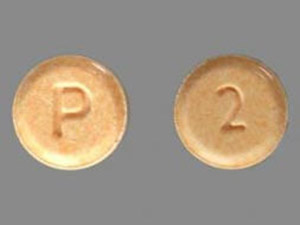
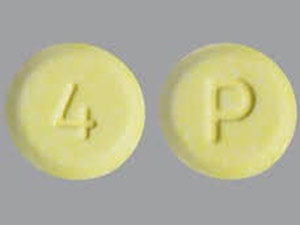
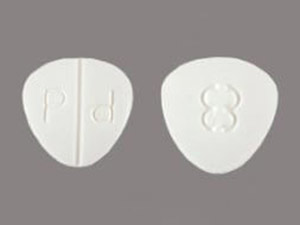
Hydromorphone (Dilaudid): What Patients Need to Know Before Treatment
If you landed here because you are in pain, slow down for a minute.
Hydromorphone, often known by the brand name Dilaudid, is not a routine pain pill. It is a powerful opioid used for severe pain. In the United States, hydromorphone is listed as a Schedule II controlled substance. That means it has accepted medical use, but it also carries a high risk of misuse, addiction, and serious physical dependence.
That is why this page does not treat pain care like online shopping. A low-friction checkout may feel convenient, but opioid treatment should never start with convenience alone. It should start with a real review of your symptoms, your medical history, your other medications, and your risk factors. If a site skips those steps, that is not speed. That is a warning sign.
What hydromorphone is actually used for
Hydromorphone is used to relieve severe pain. It works by changing how the brain and nervous system respond to pain signals. It is not the first step for a sore back after yard work. It is not the “just in case” option for a stressful week. It is a strong opioid that is usually considered when pain is severe enough that simpler options are not enough.
The strength matters here. The DEA notes that hydromorphone is an opioid related to morphine and can be about two to eight times more potent than morphine, with a rapid onset of action. That is an unusual detail many people do not know, and it is one reason dosing mistakes can turn dangerous fast.
Why this medication needs more than a quick order form
People often think the main risk with opioids is addiction. That risk is real, but it is not the only one. Hydromorphone can cause serious or life-threatening breathing problems, especially during the first 24 to 72 hours of treatment and any time the dose goes up. It can also interact badly with alcohol, benzodiazepines, sleeping pills, and other drugs that slow the nervous system.
An overdose can look like slowed breathing, extreme drowsiness, cold or clammy skin, very small pupils, low blood pressure, or a person who cannot be woken up. Severe overdose can lead to coma or death. Those are not rare words added for legal padding. They describe what opioid overdose can look like in real life.
This is also where an honest limitation matters: no website, no matter how polished, can tell you if hydromorphone is safe for your body. That decision belongs in a real conversation with a licensed prescriber who knows your health history, your current medications, and whether a safer option may work first.
Who needs extra caution
If you have asthma, sleep apnea, chronic lung disease, a history of substance use disorder, liver problems, kidney problems, or a history of overdose, that needs to be part of the conversation before any opioid is prescribed. The same is true if you are pregnant, trying to become pregnant, or breastfeeding. MedlinePlus warns that regular use during pregnancy can lead to life-threatening withdrawal symptoms in a newborn.
If you already take anti-anxiety medication, sleep medication, muscle relaxers, seizure medication, or alcohol regularly, do not assume “my doctor will catch it later.” Bring it up early. The dangerous part of opioid treatment is often not one drug by itself. It is the combination.
A safer way to think about pain treatment
Pain treatment should answer four questions before a prescription is written.
- What is causing the pain? A prescription can dull symptoms, but it does not explain sudden abdominal pain, chest pain, or new nerve symptoms. Those may need urgent medical care, not a stronger pill.
- What has already been tried? For many patients, the better first move is a non-opioid plan, a short course of a different medicine, physical therapy, targeted imaging, or follow-up with a specialist.
- What is the shortest reasonable duration? More tablets do not always mean better care. In many cases, the safest opioid plan is the smallest amount needed for the shortest time possible.
- What is the stop plan? Patients deserve clear instructions on how to taper, what side effects to watch for, and when to call for help. Stopping suddenly after regular use can cause withdrawal symptoms, so the plan matters as much as the start.
The question many patients forget to ask
Here is the question more patients should ask: “If this medicine works, what is the exit plan?”
That sounds simple, but it changes the whole conversation. It moves treatment away from refill momentum and back toward a medical goal. Is the goal to control severe pain after surgery for three days? To get through cancer pain during a hard week? To bridge a patient until a procedure or specialist visit? A clear goal makes safer prescribing possible. A vague goal makes long-term problems more likely.
Storage matters more than people think
Hydromorphone should be stored securely and kept away from children, teens, visitors, and anyone it was not prescribed for. MedlinePlus warns that this medication may harm or cause death to other people who take it, especially children. That is not dramatic wording. Even one wrong dose in the wrong person can be enough to cause a crisis.
Most families think about medication safety after something goes wrong. The better time is before the first dose. A locked drawer is better than a bathroom cabinet. A private medication count is better than “I think there are a few left.” If tablets are missing and nobody can explain why, that is a serious problem, not an awkward household moment.
An unexpected fact about disposal
Here is one detail most people do not expect: while the FDA usually recommends take-back programs for unused medicines, hydromorphone is on the FDA’s flush list. The reason is blunt. Drugs on that list are especially sought for misuse and can cause death from even one dose if they are taken by the wrong person. If no take-back option is available, flushing may be safer than leaving the medicine where a child, pet, or another adult can get it.
That one fact says a lot about the level of risk. A medicine does not land on that list by accident.
Why naloxone should be part of the conversation
If opioid treatment is being considered, naloxone should come up too.
The CDC says naloxone is a safe, life-saving medication that can reverse an opioid overdose if given in time. It can restore normal breathing within minutes. The CDC also notes that people taking high-dose opioid medications, people using opioids with benzodiazepines, and people with opioid use disorder should have naloxone available.
Some patients hear that and think, “But I’m using a prescription, not street drugs.” That is exactly why the conversation matters. Prescription opioids can still cause overdose, especially when the dose changes, another sedating medicine is added, or someone else takes the medication by mistake. Having naloxone nearby is not an admission of failure. It is the same kind of backup planning as keeping a fire extinguisher in the kitchen.
What responsible care should look like
Responsible opioid care is not built on slogans. It is built on checks.
A patient should know the exact medication name, the strength, the dosing instructions, the reason it is being used, the expected length of treatment, the side effects that matter most, and what to do if pain is not controlled. A prescriber should review other medications, ask about past substance use, discuss driving and sedation risk, and make a plan for follow-up. A pharmacy should verify the prescription, counsel the patient, and flag dangerous interactions.
If any part of that chain is missing, stop and ask questions.
A plain-language note for patients and families
If you are looking for help with severe pain, you deserve real care, not frictionless sales language. You deserve to know whether this drug fits your diagnosis, whether a safer option exists, and what signs mean “call now,” not “wait and see.” You also deserve honesty about uncertainty. Pain care is not always neat. Sometimes the first plan fails. Sometimes a non-opioid option works better than expected. Sometimes the right answer is a scan, a specialist, or the emergency room rather than a stronger prescription.
That is not a sales problem. That is medicine being real.
When to get urgent help
Get urgent medical help right away if someone taking hydromorphone has slowed or stopped breathing, cannot be woken up, turns blue or gray around the lips, faints, or seems severely confused. Give naloxone if it is available and call emergency services. The CDC notes that naloxone can reverse opioid overdose and that anyone can carry and use it.
Closing section
Hydromorphone can play a real role in pain treatment. It can also cause real harm when it is prescribed casually, stored carelessly, mixed with the wrong substances, or taken without close medical review. That tension should be visible on any page that discusses it.
If your website is going to mention this medication at all, the page should leave visitors more informed, more cautious, and more likely to speak with a licensed medical professional before taking the next step. Anything less is not patient education. It is product marketing dressed up as care.