
Showing all 3 results
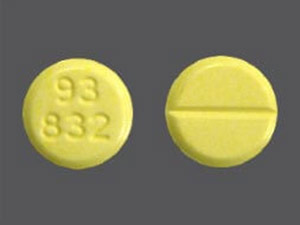
Clonazepam 0.5mg
$311.00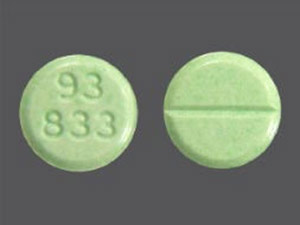
Clonazepam 1mg
$311.00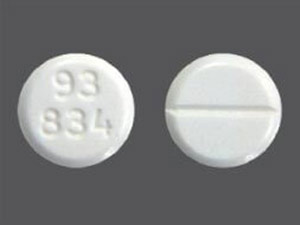
Clonazepam 2mg
$310.00Clonazepam: What Patients Should Know Before Seeking Care Online
Clonazepam is not an everyday medication. It is a prescription benzodiazepine used for specific medical conditions, including certain seizure disorders and panic disorder. It can help some patients. It can also cause serious problems when it is used the wrong way, mixed with the wrong drugs, or stopped too fast. That is why this page is not a checkout page. It is a safety page first.
If you came here looking for a fast purchase, this may feel slower than you expected. That is intentional. A controlled medication should never be treated like a pair of shoes or a bottle of vitamins. Clonazepam is listed as a Schedule IV controlled substance in the United States, which means it has accepted medical use but also a real risk of misuse and dependence.
A safe service should tell you that up front. It should also tell you something many weak pharmacy pages avoid saying: sometimes the right outcome is not a prescription. Sometimes the safer plan is a different treatment, a lower-risk medicine, closer follow-up, or an in-person evaluation. That is not a sales problem. That is basic patient care.
What Clonazepam Is Used For
Clonazepam is commonly prescribed for two main reasons. First, it is used to help control certain seizure disorders. Second, it is used to treat panic disorder, including sudden episodes of intense fear that can bring chest tightness, shaking, dizziness, or the feeling that something bad is about to happen. It works by affecting signaling in the brain that can reduce overactivity in the nervous system.
That does not mean it is the best fit for every patient with anxiety. Many patients assume “stronger” means “better.” In real practice, it is not that simple. A drug that calms symptoms quickly can also bring sedation, memory problems, dependence, and a hard withdrawal if it is used carelessly. Those trade-offs matter, especially for people who are older, take several medications, drink alcohol, have breathing problems, or have a history of substance misuse.
Why Buying a Controlled Medication Online Carries Real Risk
The internet makes almost everything feel easy. That is part of the problem. A patient can type a drug name into a search bar in the middle of the night, feel desperate for relief, and land on a page that looks clean, polished, and safe. A nice-looking page proves nothing.
With clonazepam, the risks are concrete. The FDA requires boxed warnings for benzodiazepines to highlight risks that include abuse, misuse, addiction, physical dependence, and withdrawal reactions. Those warnings were strengthened because these harms were being underestimated.
There is another risk patients often miss: dangerous combinations. Clonazepam can cause serious or even life-threatening breathing problems, heavy sedation, or coma when it is taken with certain other medicines. The risk is especially serious with opioids and other central nervous system depressants. The National Institute on Drug Abuse notes that combining benzodiazepines with opioids increases overdose risk because both can suppress breathing. In one North Carolina cohort study cited by NIDA, the overdose death rate among patients receiving both drug types was 10 times higher than among those receiving opioids alone.
That is the kind of number that should slow a patient down. It should also slow a prescriber down.
What a Legitimate Online Evaluation Should Look Like
A proper online care process should feel more like a clinic visit than a shopping cart. It should ask about the reason for treatment, current symptoms, past diagnoses, current medications, alcohol use, drug use history, pregnancy status when relevant, and medical problems such as liver disease, kidney disease, breathing issues, or glaucoma. These are not “extra questions.” They are the minimum needed to prescribe safely.
A legitimate clinician should also review whether clonazepam is even appropriate for the patient’s goal. Panic symptoms can overlap with heart rhythm problems, thyroid disease, medication side effects, sleep deprivation, stimulant use, trauma, and substance withdrawal. A fast prescription without a real assessment can miss the real problem. That is how patients end up with the wrong drug for the wrong reason.
Here is the honest part that many websites leave out: a careful evaluation is not always convenient. It may take longer. It may involve follow-up questions. It may end with a “not today.” Patients do not love hearing that. Still, it is better than handing out a sedating controlled substance after a two-minute form. A safe service should be willing to lose a sale rather than ignore a red flag.
Who May Need Extra Caution
Clonazepam is not low-risk just because it is common. Patients who are older may be more sensitive to drowsiness, confusion, falls, and slowed thinking. Patients with lung disease or other breathing problems need careful review. Patients with depression or suicidal thoughts need real monitoring because mental health can change during treatment. Patients who use alcohol or opioids need especially careful screening because those combinations can be dangerous.
The same goes for patients with a history of substance misuse. That does not automatically mean “never.” It does mean a clinician should not treat the visit like a routine refill. Benzodiazepines can become habit-forming. MedlinePlus says that clonazepam may be habit-forming and warns patients not to take more than prescribed, not to take it more often, and not to keep using it longer than directed.
Side Effects Patients Should Actually Expect
Many drug pages hide behind vague phrases like “may cause side effects.” That tells patients almost nothing. Here is the plain version.
Common problems include drowsiness, dizziness, unsteadiness, problems with coordination, and trouble with thinking or memory. For a patient trying to drive, work a long shift, take care of children, or study for an exam, those are not small details. They affect real life.
Serious problems can include slowed breathing, extreme sleepiness, allergic reactions, severe mood changes, and withdrawal symptoms if the medication is reduced too quickly or stopped abruptly. Withdrawal can involve anxiety, shaking, sleep problems, concentration trouble, depression, strange sensations, and in some cases seizures. That is why stopping “cold turkey” is not a smart self-management plan.
One Unexpected Detail Most Pages Skip
Here is a detail you do not see on many sales pages: grapefruit can matter. MedlinePlus tells patients to talk with their doctor about eating grapefruit or drinking grapefruit juice while taking clonazepam. That may sound minor, but it is a good example of why medication safety cannot be reduced to “add to cart.” Real prescribing depends on details that a rushed page often ignores.
Another overlooked detail is storage. If there are children in the home, “out of reach” is not enough. MedlinePlus specifically advises keeping medication locked up and out of sight and reach because many medicine containers are not child-resistant. That matters in real households, especially when people assume a nightstand drawer is “safe enough.” Often, it is not.
If You Already Take Clonazepam
If you are already prescribed clonazepam, the safest next step is not to change the dose on your own. Do not double a missed dose. Do not take extra on a bad day. Do not stop suddenly because you feel better, or because you read something scary online. Patients get into trouble at both ends: taking more than directed, or stopping too fast without a plan.
A careful medication review should look at how often you use it, whether it still serves a clear purpose, whether there are side effects you have started to normalize, and whether another treatment plan would reduce risk. Sometimes the best care is a slower taper with follow-up. Sometimes it is continued use with tighter monitoring. Sometimes it is a full rethink of the diagnosis.
Safe Disposal Matters More Than People Think
Unused controlled medication sitting in a home medicine cabinet creates risk. It can be taken by a child, shared with a friend, misused by a family member, or stolen. The FDA says the best way to dispose of expired or unwanted medicines is through a drug take-back program. If that is not available, many medicines that are not on the flush list can be mixed with something undesirable like used coffee grounds, dirt, or cat litter, sealed in a container, and thrown in the trash after personal information is removed from the packaging.
That coffee-grounds detail is worth remembering because it is practical. It is not glamorous. It is not marketing language. It is the kind of concrete advice that keeps a medicine from being misused after it is no longer needed.
A Better Standard for Online Medication Pages
If a website offers a controlled medication, patients should expect more than a stock photo, a discount banner, and a checkout button. They should expect screening, identity verification where required, medication review, risk counseling, and a clinician willing to say no when the situation is unsafe.
That may sound strict. It is supposed to. Controlled substances deserve friction. Not endless hoops. Just enough care to protect the patient on the worst day, not only serve them on the easiest one.
A reliable page should help patients answer a simple question: “Is this treatment appropriate for me, right now, given my symptoms, my other medications, and my risks?” If the page skips that question and goes straight to purchase language, it is telling you what matters most.
When to Get Help Right Away
Emergency help is needed if someone taking clonazepam has slowed or difficult breathing, cannot be awakened, becomes unresponsive, collapses, or has seizure activity after a sudden change in use. Those are not wait-and-see symptoms. MedlinePlus advises immediate medical attention in situations like these.
If the problem is emotional crisis, suicidal thoughts, severe distress, or urgent substance use concerns, the 988 Lifeline is available 24/7/365 by call, text, or chat, and the service is free and confidential.
Final Word
Clonazepam can be useful. It can also be misused, overused, combined unsafely, or stopped in a way that puts a patient at risk. That is why a responsible website should not frame it like a retail product. It should frame it like what it is: a controlled medication that requires clinical judgment, patient honesty, and a safety process that is willing to slow down when the facts call for it.
If your site wants to earn trust, this is the better angle. Not “easy access.” Not “best price.” Not vague promises. Clear risks. Clear process. Clear limits. That is what serious healthcare content looks like.