
Showing the single result
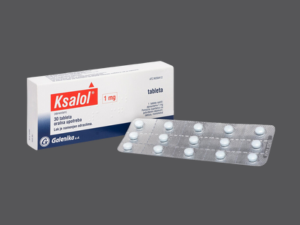
Ksalol 1mg
$303.00Ksalol Online: What Patients Need to Know Before Seeking Treatment
If you are searching for Ksalol online, you are probably not browsing for fun. Most people land on a page like this after a rough stretch of nights, a run of panic symptoms, or weeks of feeling keyed up for no clear reason.
That matters.
Because anxiety is not a small problem when you are living inside it. It can make a ten-minute errand feel like a test. It can turn bedtime into a countdown. It can make your chest feel tight, your thoughts race, and your patience disappear with people you care about.
Ksalol is a brand name used in some countries for alprazolam, a benzodiazepine medicine. Benzodiazepines are medications that can reduce acute anxiety symptoms in some patients, but they also carry real risks. They can cause dependence. They can interact badly with alcohol, opioids, sleep medicines, and other sedating drugs. They are not the right fit for every patient. And they are not a casual online purchase.
That is why any legitimate medical process around this medication should start with evaluation, not checkout.
First, the plain version
If you are looking for Ksalol online, here is the short answer:
You should only get alprazolam through a licensed clinician who reviews your symptoms, medication history, risk factors, and local prescribing rules. If a website makes it look as simple as adding it to a cart, that should set off alarms.
Fast relief can be appealing. Especially after a bad panic episode. But speed is not the same thing as safety.
What Ksalol is used for
Alprazolam is commonly used in the treatment of:
- panic symptoms
- panic disorder
- short-term severe anxiety in selected cases
It works on the central nervous system, which means it slows certain brain activity. That calming effect is why some patients feel relief quickly. It is also why the medication can cause drowsiness, slower reaction time, memory problems, and impaired judgment.
Some patients describe the first dose as “finally feeling the volume turned down.” Others describe feeling foggy, detached, or more tired than expected. Both responses are possible.
That is one reason proper screening matters.
Why this medication needs more caution than most people expect
A lot of people assume the main issue is whether a medicine “works.” With alprazolam, that is not the only question. The harder question is whether it is appropriate for this patient, at this time, with this history.
Here are a few reasons clinicians are careful:
1. It can be habit-forming
This is the part many sites downplay.
Even when a medication starts as short-term support, some patients begin to rely on it for sleep, travel, meetings, social events, or any situation that feels hard. The pattern can build faster than expected.
Dependence does not always look dramatic. Sometimes it looks like this:
“I only take it on stressful days.”
Then stressful days become most days.
2. Stopping suddenly can be dangerous
If someone has been taking alprazolam regularly, stopping abruptly can lead to withdrawal symptoms. These may include rebound anxiety, insomnia, shaking, irritability, sweating, and in serious cases, seizures.
That means this is not a medication to start casually or stop casually.
3. It mixes badly with other sedating substances
Alcohol, opioids, some sleep aids, muscle relaxants, and certain other medications can increase sedation and breathing risk. This is one of the biggest safety concerns with benzodiazepines.
A surprising detail: many patients think the main danger is “taking too much.” In real clinical practice, the problem is often mixing substances that each seem manageable on their own.
4. It may not fix the real problem
If someone is having chest tightness, racing heart, shakiness, and dread, that could be panic. It could also be thyroid issues, stimulant effects, medication side effects, poor sleep, withdrawal, or another medical problem.
The wrong medicine can delay the right answer.
Who should be especially careful
A careful clinician will usually ask much more than “Are you anxious?”
They may ask about:
- past or current substance use
- alcohol intake
- opioid use
- history of overdose
- sleep apnea or breathing problems
- pregnancy or plans for pregnancy
- depression symptoms
- suicidal thoughts
- bipolar disorder symptoms
- trauma history
- past withdrawal symptoms
- other psychiatric medications
- work that requires driving, machinery use, or fast decision-making
That can feel like a lot. But it is there for a reason.
If you drive for work, care for children alone, operate equipment, or already take other sedating medication, the risks can change quickly.
What a safe online treatment process should look like
If a clinic offers online evaluation for anxiety-related concerns, the process should feel medical, not retail.
A safer process usually includes:
A real clinical assessment
Not a two-minute form built to funnel everyone to the same outcome.
A real assessment should look at your symptoms, when they started, what makes them worse, what you have already tried, and whether there are any warning signs that point away from a benzodiazepine.
Review of medication and substance history
This includes prescriptions, supplements, sleep aids, alcohol, cannabis, and any non-prescribed substances. Patients sometimes leave these out because they worry they will be judged.
They should not.
A clinician cannot protect you from interactions they do not know about.
Review of local prescribing rules
Laws differ by location. So do telehealth rules, prescription monitoring requirements, and refill policies. A serious clinic does not pretend every state or region works the same way.
Clear follow-up expectations
If a clinician prescribes a high-risk medication, there should be a plan for monitoring. That means discussing side effects, sedation, dependence risk, refill limits, and what happens if symptoms change.
Alternatives, not one-track prescribing
If every anxious patient gets pushed toward the same medicine, something is wrong.
Sometimes the safer answer is therapy. Sometimes it is an SSRI or another non-benzodiazepine option. Sometimes it is sleep treatment. Sometimes it is cutting back caffeine. Sometimes it is a different diagnosis entirely.
An honest limitation that matters
Here is the part some websites skip because it is less convenient:
Not every patient who asks about Ksalol or alprazolam should receive it.
In fact, some of the safest clinical decisions are disappointments in the moment.
A patient may want immediate relief. The clinician may decide the risk is too high. That does not feel good. But it can still be the right call.
If your website wants to sound credible, say that clearly.
A lesson many clinics learn the hard way
Some providers start with the idea that fast access is the main thing patients want.
Then they begin seeing the downside. Patients who are already exhausted skip the fine print. They underreport alcohol use. They forget to mention another sedating prescription. They ask for a refill after using the medication in ways that were never discussed.
The lesson is simple: convenience helps, but convenience without structure creates risk.
Good care puts structure back in.
Signs a website deserves extra caution
If you are evaluating online options, slow down if you see any of these:
- no clear prescriber information
- no mention of medication risks
- no explanation of who may not qualify
- guaranteed approval language
- checkout flow before clinical review
- vague refill promises
- no emergency guidance
- no statement about dependence or withdrawal
- no local licensing or prescribing information
A patient who feels desperate can miss these red flags. That is understandable. Anxiety makes urgency feel louder. But this is exactly when a pause helps most.
What patients should ask before starting alprazolam
A good medical page should encourage questions like these:
- Why this medication instead of another option
- What side effects should I expect in the first week
- Can I drive after taking it
- What happens if I already use alcohol or sleep medication
- How long is this meant to be used
- What is the plan if it helps
- What is the plan if it does not help
- How would tapering work if I need to stop
Patients who ask better questions usually make safer decisions.
What side effects patients often notice first
Common early effects can include:
- drowsiness
- slowed thinking
- dizziness
- poor coordination
- fatigue
- memory gaps
- reduced alertness
Some people feel calm. Some feel dulled. Some feel both at once.
An unexpected detail that rarely gets mentioned: a few patients do not describe relief first. They describe embarrassment. They realize the medication made them quieter in a meeting, less sharp while parenting, or strangely detached during a normal conversation. That does not happen to everyone, but it happens often enough to matter.
When to seek urgent medical help
A responsible page should say this plainly.
Seek urgent medical care right away if you experience:
- trouble breathing
- extreme sleepiness that is hard to wake from
- confusion that feels severe or sudden
- fainting
- seizure activity
- severe reaction after mixing with alcohol, opioids, or other sedatives
- thoughts of self-harm or suicide
This kind of guidance is not dramatic. It is basic safety.
Better care is often less exciting
That may sound like a strange thing to say on a website, but it is true.
Good anxiety treatment is usually not flashy. It often looks like careful questions, a slower decision, limited quantities when appropriate, clear follow-up, and a willingness to say no when the risk is too high.
Patients do not always love that at first.
But they tend to respect it later.
If you are dealing with panic or severe anxiety right now
If your symptoms are intense, you are not weak, and you are not “overreacting.” Panic can feel physical because it is physical. Your body is involved. Your breathing changes. Your muscles tense. Your heart rate shifts. It is real.
But real does not always mean benzodiazepines are the answer.
Sometimes the next best step is urgent evaluation. Sometimes it is a primary care visit. Sometimes it is psychiatric assessment. Sometimes it is therapy with panic-focused treatment. Sometimes it is medication, but not this one.
The right next step depends on the full picture.
What a trustworthy clinic page should promise
Not miracle language. Not approval language. Not “easy access.”
A stronger promise is this:
- you will be evaluated as an individual
- your risks will be taken seriously
- your current medications will be reviewed
- safer alternatives will be discussed when appropriate
- high-risk prescribing will not be treated casually
- follow-up will matter as much as the first visit
That is less flashy than most drug-category pages.
It is also more believable.
Final word
If you came here looking for Ksalol online, you are probably looking for relief, not a lecture. Fair enough.
But with alprazolam, the most important part is not finding the fastest path. It is finding the safest one.
A legitimate clinic should make that clear from the first paragraph. It should explain what the medication is, who it may help, who should avoid it, what the risks are, and why an evaluation comes before any prescribing decision.