
Showing all 8 results
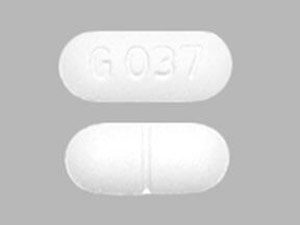
Lortab 10/325mg
$417.00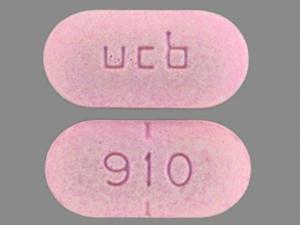
Lortab 10/500mg
$417.00
Lortab 2.5/500mg
$310.00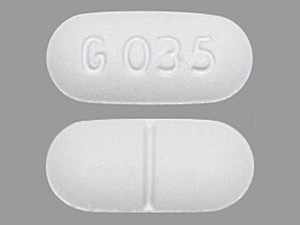
Lortab 5/325mg
$327.00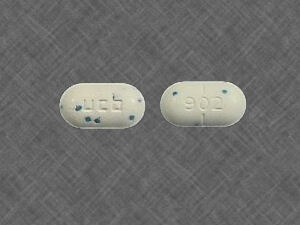
Lortab 5/500mg
$317.00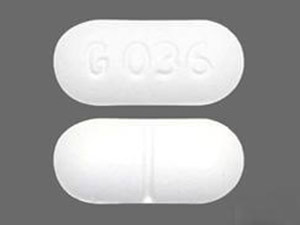
Lortab 7.5/325 mg
$341.00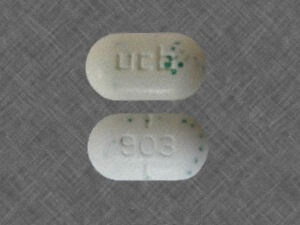
Lortab 7.5/500mg
$357.00
Lortab ASA 500mg
$317.00Lortab Evaluation Online: What Patients Need to Know
If you landed on this page looking for Lortab online, slow down for a second.
This medication is not something a legitimate clinic should hand out like cough drops. Lortab contains hydrocodone and acetaminophen. Hydrocodone is an opioid pain medicine. Acetaminophen is the same pain-relief ingredient found in many common cold and pain products, which matters more than most people realize. Taking too much from multiple products can seriously damage the liver. The FDA says adults should not exceed 4,000 mg of acetaminophen in 24 hours, and accidental overdose happens when people do not realize two different medicines contain the same ingredient.
That is why this page is about medical review, safety, and treatment decisions. It is not a shortcut page. It is not a promise page. And it is not a guarantee that an opioid will be prescribed.
What Lortab is used for
Lortab is a brand historically used for a hydrocodone-acetaminophen combination. Medicines in this category are used for pain severe enough that simpler options may not be enough. But the standard is not “pain exists, so prescribe an opioid.” The real question is whether the expected benefit is greater than the risk for this patient, with this medical history, taking these other medications, at this moment.
That sounds strict because it is strict.
The CDC notes that even when prescription opioids are taken as directed, they can still lead to tolerance, physical dependence, sedation, dizziness, confusion, and increased sensitivity to pain over time. Overdose risk goes up with higher doses, longer use, and combinations with certain other drugs.
The first thing many patients miss
The biggest misunderstanding we see is simple: people often search for a medication name when what they really need is a pain treatment plan.
Those are not the same thing.
A treatment plan may include rest, imaging, physical therapy, a non-opioid medication, a refill denial, an urgent in-person exam, or a referral. Sometimes it includes an opioid. Sometimes it should not. A clinic that skips that distinction is not being efficient. It is being careless.
What a legitimate online evaluation should actually include
A real evaluation should look at more than your pain score.
It should ask where the pain is, when it started, what makes it worse, what makes it better, what treatments you have already tried, and whether there are danger signs such as chest pain, weakness, trouble breathing, fever, numbness, or loss of bladder or bowel control. It should also review your medication list, allergies, liver history, breathing problems, past substance use history, and whether you take benzodiazepines, sleep medicines, muscle relaxers, or alcohol regularly. Those combinations can be dangerous.
A careful review should also confirm a few basic facts that sloppy websites skip:
- your legal identity
- your state location at the time of the visit
- the pharmacy you plan to use
- whether the prescription history raises safety concerns
- whether the condition can be assessed appropriately by telehealth
That last point matters. Some conditions should not be handled by chat alone. A swollen leg after a long flight, severe dental pain with facial swelling, back pain with leg weakness, or abdominal pain with fever may need urgent in-person care. The safest answer is not always the answer the patient hoped to hear.
A hard truth that belongs on this page
No legitimate clinician can promise that every patient who asks for Lortab will get it.
That may lower conversion rates. It also lowers harm.
If you want a sentence that builds trust, use the honest one: some visits end without an opioid prescription. That happens when the risk is too high, when the diagnosis is unclear, or when another option is safer. Patients may not love hearing that in the moment, but it is still the right call.
Why hydrocodone products are handled so carefully
Hydrocodone combination products are regulated more strictly for a reason. The DEA says these products have a high potential for abuse and that abuse may lead to severe psychological or physical dependence. It also states that adding a non-opioid ingredient such as acetaminophen does not erase hydrocodone’s abuse potential.
That is the part cheap pharmacy-style pages often hide behind vague language.
They talk about convenience. They skip the consequences.
Safety comes before convenience
Convenience matters. Nobody wants to sit in a waiting room for three hours with kidney stone pain or a cracked molar. But convenience cannot outrank safety.
A patient taking an opioid also needs to know the warning signs that should stop everything and trigger urgent help. Trouble breathing. Extreme sleepiness. Blue lips. Pinpoint pupils. A person who cannot be woken up. These are overdose red flags. SAMHSA explains that opioid overdose reversal medications such as naloxone and nalmefene can save lives, but emergency medical care is still critical after they are used.
That detail is worth including because most websites selling a “fast consult” never mention it. They should.
The acetaminophen problem almost nobody shops for
Here is the unexpected detail most competitors leave out: for many patients, the most immediate hidden risk is not the word “opioid.” It is the second ingredient.
Acetaminophen hides in a long list of cold medicines, flu products, nighttime pain relievers, and prescription combinations. The FDA warns people not to take more than one acetaminophen-containing product at the same time because it is easy to go over the daily limit without noticing.
In plain English: someone can think they are being careful and still double up by mistake.
That is why a safe prescribing page should tell patients to check labels for acetaminophen or APAP before mixing medicines.
Who may need a different plan
Some patients need more caution from the start.
That includes people who:
- have sleep apnea or other breathing problems
- are age 65 or older
- have liver disease or kidney failure
- take benzodiazepines or sedatives
- have a history of overdose or substance use disorder
- recently stopped opioids and lost tolerance
- drink heavily or regularly mix medications without review
The CDC lists many of these as overdose risk factors.
A clean, honest website should say this clearly: being evaluated does not mean being approved, and higher-risk patients may be directed to a different level of care.
What patients can expect from our review process
Our approach is simple.
We start with the condition, not the product name.
If your symptoms can be evaluated through telehealth, a licensed clinician reviews your history, current medications, allergies, and safety risks before discussing treatment options. If your symptoms point to a condition that needs hands-on testing or urgent in-person care, we tell you that directly. If a non-opioid option is safer, that may be the recommendation. If no prescription is appropriate, we say so plainly.
That honesty matters. It saves time. It also prevents the kind of false expectation that turns a medical visit into a customer-service argument.
What this page should never promise
It should never promise:
- guaranteed approval
- same-day opioid prescribing for every patient
- “no questions asked” access
- anonymous ordering
- bypassing pharmacy review
- workarounds around state or federal rules
Those promises do not make a clinic look efficient. They make it look reckless.
A lesson worth saying out loud
Early healthcare websites often make one mistake: they write like marketers when they should write like careful clinicians.
That usually means too much reassurance, not enough explanation.
The fix is not fancy wording. The fix is clarity. Tell the patient what the medication is, what the risks are, what the evaluation includes, and what might prevent prescribing. People can handle the truth. Busy people actually prefer it.
If a prescription is considered, patient education matters
If a clinician determines that a hydrocodone-acetaminophen product is appropriate, the patient should still get clear instructions:
Take it exactly as prescribed. Do not combine it with alcohol. Do not mix it with sleep medicines, benzodiazepines, or other sedating drugs unless a clinician has specifically reviewed that combination. Do not drive if you feel sleepy or slowed down. Check every other medication label for acetaminophen or APAP. Store it away from children, teens, and anyone else in the home. Dispose of unused medication safely.
None of that sounds flashy. Good. Medication safety should not sound flashy.
When patients should get help right away
Your page should also be useful for the patient who should close the browser and seek urgent care now.
Seek immediate care for:
- trouble breathing
- severe drowsiness or inability to wake up
- chest pain
- new weakness, numbness, or confusion
- a serious allergic reaction
- severe abdominal pain
- signs of overdose
- signs of liver trouble after taking acetaminophen-containing products
And if opioid overdose is suspected, SAMHSA notes that reversal medication can help, but emergency help is still needed right away.
Why this kind of page builds more trust
Because it does not pretend.
It does not pretend every painful condition needs the same answer. It does not pretend online care removes the duty to assess risk. It does not pretend a controlled substance can be treated like a routine retail product.
Patients notice that difference.
Not always in the first five seconds. But they notice it when the page answers the questions they were already nervous to ask: What if I am denied? What if I take other medications? What if I drink alcohol some nights? What if I already use a cold medicine with acetaminophen? What if my pain is actually a sign of something more serious?
A strong page answers those questions before checkout language ever appears.
Our position in one sentence
We do not treat opioid prescribing as online shopping.
We treat it as a medical decision that should be documented, explained, and made with the same caution online that a careful clinician would use in person.
Before you request an evaluation
Please have these ready:
- a current list of medications
- allergy information
- the name and address of your pharmacy
- a short description of when the pain started
- treatments you have already tried
- any recent imaging, discharge papers, or visit summaries if available