
Showing all 2 results
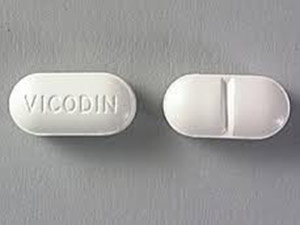
Vicodin 5/500mg
$363.00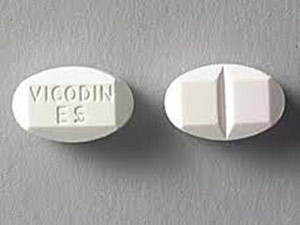
Vicodin 7.5/750mg
$371.00Vicodin Online: What Patients Should Know Before Seeking Hydrocodone Acetaminophen Care
Pain changes the way a day feels.
You sleep less. You move carefully. You start planning around simple things, like stairs, getting in and out of the car, or sitting through a meeting without shifting every thirty seconds.
So it makes sense that people look online for help. They want answers fast. They want privacy. They want relief without spending half a day in a waiting room.
But pain is exactly where shortcuts can go wrong.
Vicodin is a brand name many people know, but the medication itself is hydrocodone/acetaminophen. Hydrocodone is an opioid. It changes how the brain and nervous system respond to pain. Acetaminophen is a common pain and fever medicine, but too much of it can damage the liver. That means this is not a casual medication, and it should never be treated like a routine online purchase. MedlinePlus warns that hydrocodone combination products can be habit-forming and may cause serious or life-threatening breathing problems, especially when treatment starts or the dose increases. MedlinePlus also warns that taking too much acetaminophen can cause severe liver damage.
This page is not here to promise a fast checkout.
It is here to explain what careful, legal online care should look like when a patient is asking about stronger pain treatment. Sometimes a licensed clinician may decide that hydrocodone/acetaminophen is appropriate. Sometimes the safer answer is a different medication, a referral, imaging, or an in-person exam that day.
That may not be the answer people hope for. It is still the right approach.
What this medication actually is
Hydrocodone/acetaminophen combines two drugs in one tablet.
The hydrocodone part is the opioid. That is the part most people focus on, and for good reason. Opioids can cause drowsiness, slowed breathing, impaired judgment, dependence, and overdose. Mixing them with alcohol, sleep medications, anti-anxiety drugs, or other substances raises the risk. MedlinePlus specifically warns that combining hydrocodone products with alcohol, street drugs, or certain other medicines may increase the risk of life-threatening breathing problems, sedation, or coma
The acetaminophen part gets less attention than it should.
That is a mistake.
Here is the detail many patients miss: acetaminophen does not only show up in prescription pain medicine. It is also found in many over-the-counter cold, flu, and headache products. Someone can take their prescription, then grab a cold medicine from the kitchen shelf without thinking twice, and accidentally double up. MedlinePlus warns patients not to take more than one acetaminophen-containing product at a time and notes that overdose can happen even when the person does not mean to misuse the drug
That is the kind of problem a real medical review is supposed to catch.
When online care may make sense
Online care can be a reasonable starting point for some pain concerns.
For example, it may help when a patient needs a clinician to review current medications, sort out side effects, look at what has already been tried, or decide whether the next step should be a prescription, a non-opioid plan, or in-person evaluation.
That matters because not every pain problem needs a stronger pill. Sometimes the problem is poor follow-up after urgent care. Sometimes it is a medication interaction nobody explained. Sometimes it is untreated inflammation, muscle spasm, dental pain, or nerve pain that needs a different plan entirely.
A careful online visit should ask basic but important questions:
- Where is the pain?
- When did it start?
- What makes it worse?
- What makes it better?
- What have you already taken?
- What other medications are in the house?
- Do you drink alcohol?
- Do you use sleep aids?
- Did this start after an injury?
- Is the pain getting worse, or just not improving?
Those questions are not filler. They are where safe care begins.
When online care is the wrong starting point
Here is the honest limitation.
Not every pain problem belongs on a website or a video call.
If someone has chest pain, severe shortness of breath, major injury, fainting, confusion, heavy bleeding, signs of overdose, or sudden weakness, online care is not enough. The same goes for someone who is extremely sleepy, hard to wake, or breathing slowly. That is emergency care territory, not e-commerce.
The same is true for some severe abdominal pain. Some of the most dangerous cases do not look dramatic at first. They just keep getting worse.
That is why a responsible clinic should be willing to tell a patient, “You need to be seen in person now.”
It is not bad service. It is good judgment.
What a legal online process should look like
If a website deals with prescription medication, especially controlled medication, the process should feel more careful than a normal online purchase.
Not less.
The FDA says unsafe online pharmacies often skip basic protections. Warning signs include websites that do not require a prescription, are not licensed in the U.S. and by the state board of pharmacy, do not have a licensed pharmacist available, offer prices that seem too good to be true, or send medication in damaged or suspicious packaging. The FDA also warns that drugs from unsafe websites may contain the wrong ingredient, the wrong amount of the active ingredient, or harmful substances.
A legitimate process should include real review, not a fake form built to say yes.
That means identity verification. Medication history. Allergy review. Questions about alcohol and sedatives. Review of medical conditions that raise overdose risk. Pregnancy screening when relevant. Clear follow-up instructions. In some cases, it also means saying no.
Patients may not love that word, but “no” can be the safest answer a clinician gives all day.
Why instant approval is a red flag
Some websites try to make pain treatment sound simple.
Five minutes. No delay. No awkward questions. No office visit.
That kind of pitch should make patients nervous.
No ethical clinician can promise hydrocodone/acetaminophen before reviewing the case. Pain has causes. Some need imaging. Some need an exam. Some need a different medication. Some need to stop mixing products that should never have been taken together in the first place.
If a site promises the drug before it knows the story, it is not practicing careful medicine. It is selling certainty where certainty does not exist.
That is not a small problem. That is the whole problem.
Risks patients need to understand before taking a first dose
Hydrocodone combination products carry real risks, and patients deserve to hear them in plain language.
First, breathing can slow down. That risk is highest when treatment starts, when the dose goes up, or when the drug is mixed with alcohol or sedating medications. MedlinePlus warns that hydrocodone combination products may cause serious or life-threatening breathing problems, especially in the first 24 to 72 hours and when the dose is increased.
Second, these medications can be habit-forming. That does not mean every patient who takes them will develop misuse or addiction. It does mean the risk is real enough that no honest clinic should brush past it.
Third, the medication can hurt someone other than the person it was prescribed for. MedlinePlus warns that hydrocodone combination products may harm or cause death to other people who take them accidentally, especially children, and advises storing them in a secure place out of sight and reach
Fourth, not every pill sold online is what it claims to be. The DEA warns that counterfeit pills are made to look like legitimate prescription medications and says the only safe medications are those prescribed by a trusted medical professional and dispensed by a licensed pharmacist.
That last point should give anyone pause.
A person may think they are buying a familiar pain tablet. They may be buying something else entirely.
One unexpected detail most competitors leave out
Many people think the biggest danger with this kind of medication is taking too much of the opioid.
Sometimes the bigger mistake is the part they barely think about.
Acetaminophen hides in common products—cold medicine, flu medicine, sleep formulas, combination headache products. Labels do not always jump out at busy people, especially when they feel miserable. MedlinePlus specifically warns patients to read labels carefully and avoid taking more than one acetaminophen-containing product at the same time.
That sounds like a small detail.
It is not.
It is the sort of ordinary, easy-to-miss mistake that lands real people in real trouble.
What safer pain care often looks like
A good pain plan is not always the strongest drug.
Sometimes it is a short course of a non-opioid medication. Sometimes it is heat, ice, or limited activity for a few days. Sometimes it is a dental referral, physical therapy, imaging, or a follow-up visit to find the real cause.
That may sound less dramatic than people expect. Fine.
Pain care does not need drama. It needs judgment.
One of the most common mistakes in pain treatment is chasing fast symptom relief while ignoring the reason the pain is there. The result is often short-term comfort and a longer-term mess.
Patients deserve better than that.
Red flags to watch for when comparing websites
Patients should slow down if a website:
- does not require a valid prescription
- does not list a real U.S. address or phone number
- does not give access to a licensed pharmacist
- offers huge discounts that do not look believable
- uses broken, vague, or misleading packaging
- pushes urgency harder than safety
The FDA says those are common warning signs of unsafe online pharmacies and advises consumers to verify that an online pharmacy is licensed by the state board of pharmacy.
That is worth checking before a patient enters a credit card number, not after.
What patients should prepare before any online pain visit
A useful pain visit starts with details.
Bring a full list of medications. Not just prescriptions. Over-the-counter cold products count. Sleep aids count. Herbal products count. Alcohol use matters too. Patients should also be ready to say when the pain started, what it feels like, what makes it worse, and whether anything has already failed.
If there was a recent urgent care visit, dental visit, ER discharge, or injury, bring that information too.
These details are not side notes. They often change the plan.
The standard patients should expect
Patients should expect more than a product page.
They should expect a process that takes the pain seriously, screens for risk, explains trade-offs in plain language, and does not pretend every problem has the same answer.
Sometimes the right answer will be treatment.
Sometimes the right answer will be “not online.”
Sometimes the right answer will be “not this medication.”
That is what real care looks like.