
Showing all 3 results
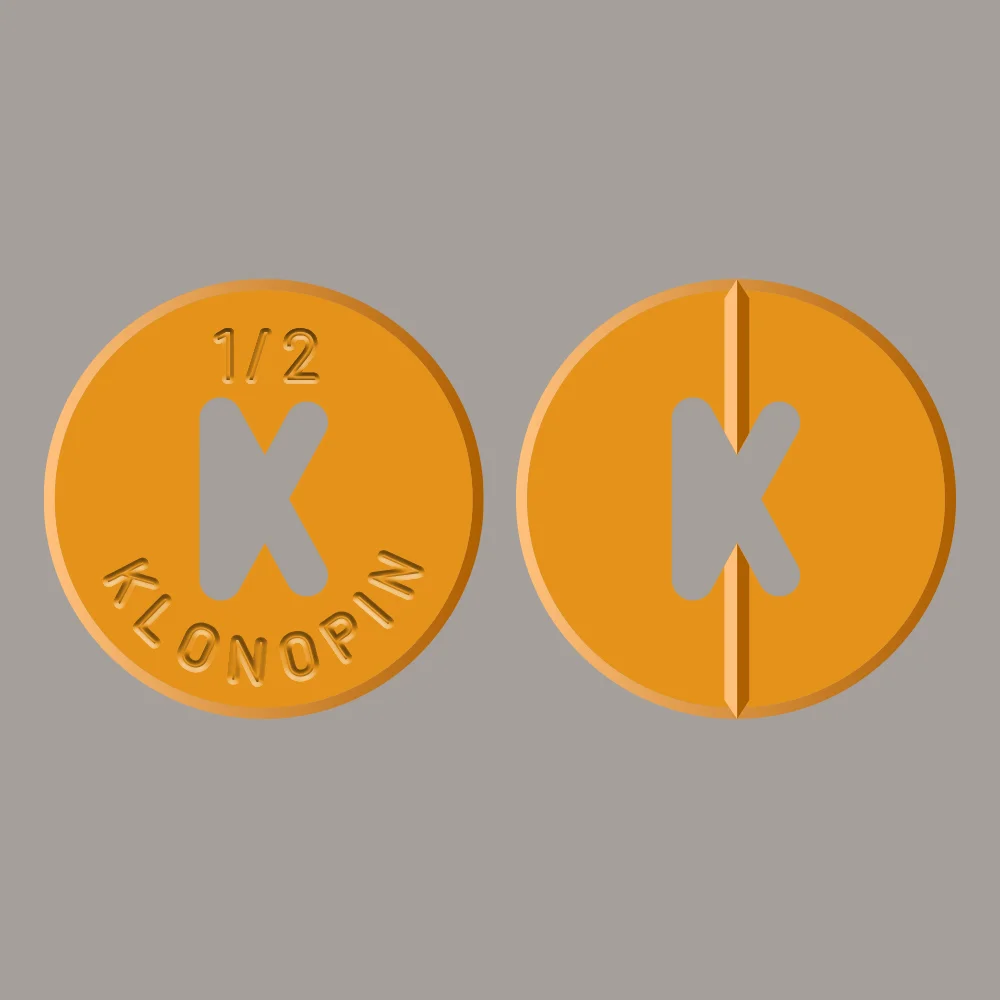
Klonopin 0.5mg
$308.00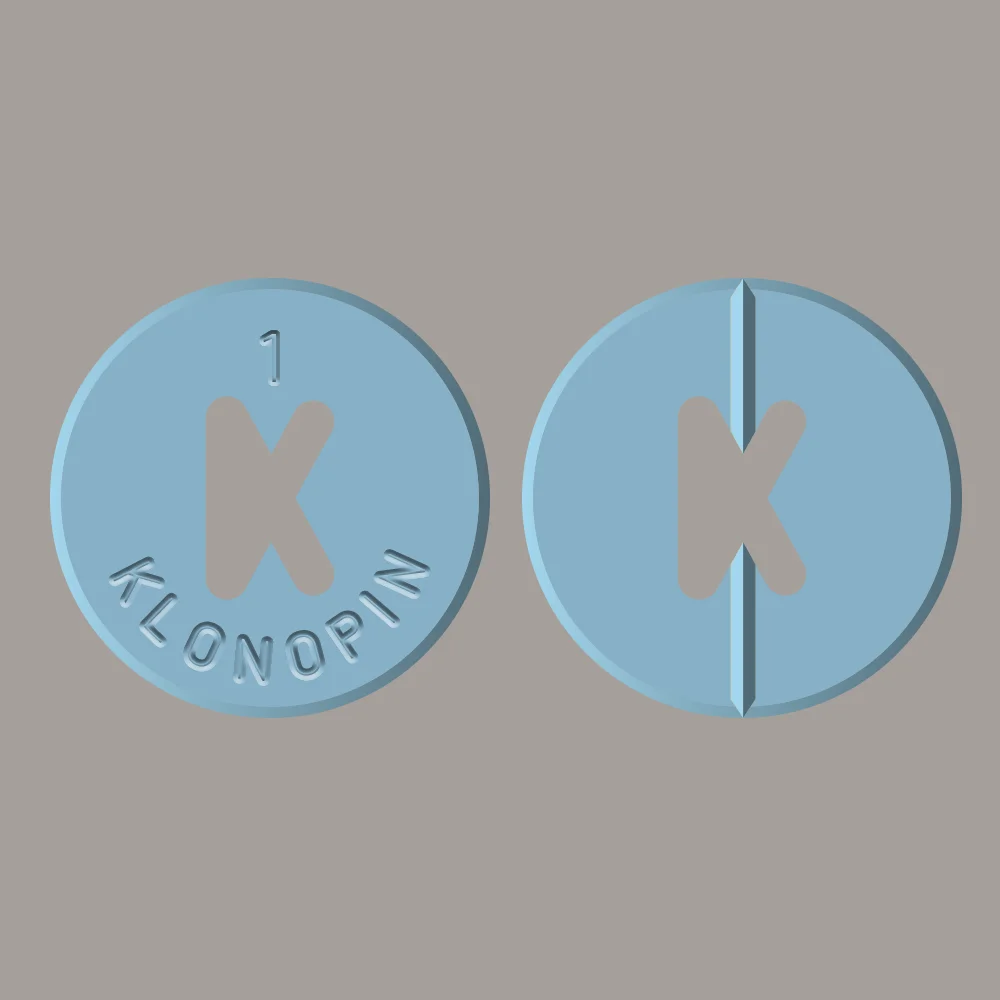
Klonopin 1mg
$328.00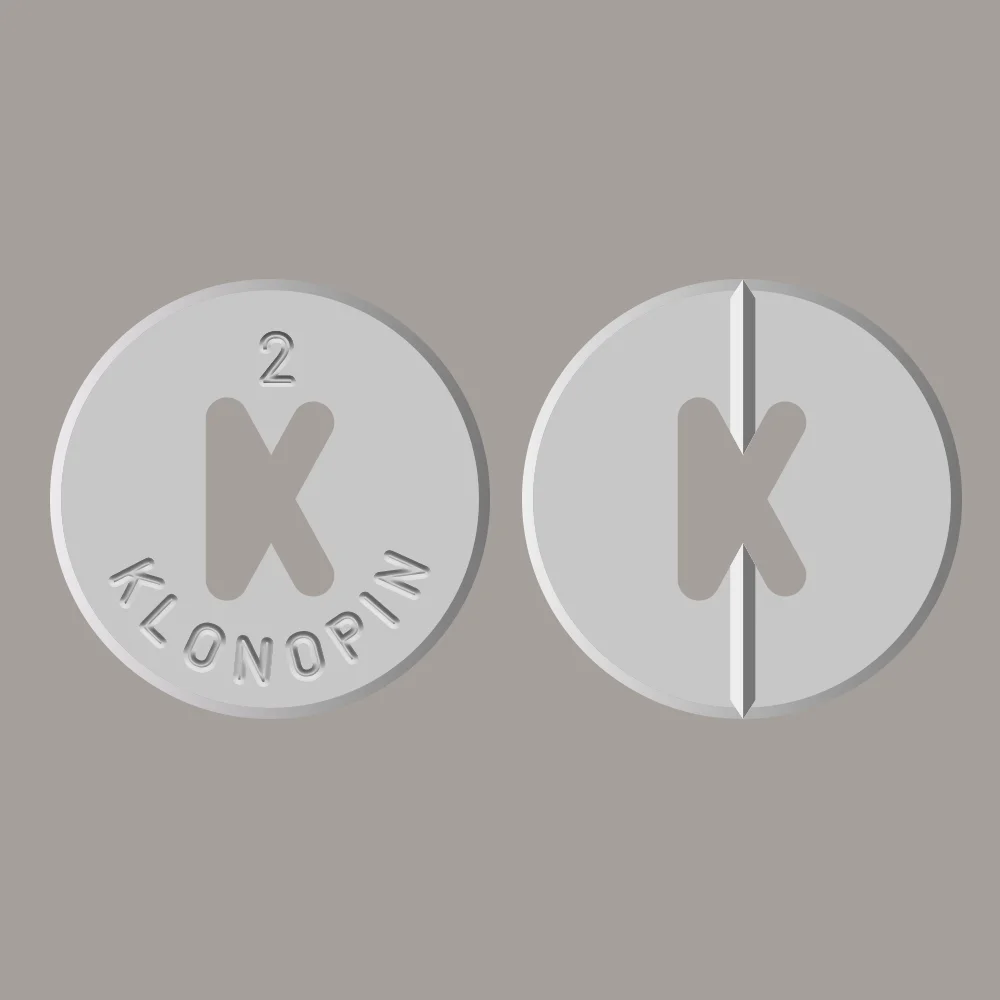
Klonopin 2mg
$338.00Clonazepam Information and Clinical Review
If you’re looking into clonazepam, you’re probably not browsing for fun. Most people land on a page like this because something feels off. Panic attacks are hitting out of nowhere. Sleep is a mess. Your body feels wired even when you want to slow down. Or you’ve already taken clonazepam before and you want to understand whether it still makes sense for you.
Clonazepam is the generic name for Klonopin. It belongs to a group of medicines called benzodiazepines. These medicines act on the brain and nervous system and can lower panic symptoms, calm certain seizure-related activity, and make some people feel less physically overwhelmed. That is the simple version. The harder truth is that the same medicine that helps one person can be the wrong fit for someone else, especially if there is a history of substance use, breathing problems, heavy alcohol use, or other sedating medications in the mix.
This page is here to help you slow down and look at the facts before any treatment decision is made. Not every person with anxiety needs clonazepam. Not every panic symptom should be treated with a benzodiazepine. And not every online request should end with a prescription. Sometimes the safest answer is yes. Sometimes it is no. Sometimes it is “not yet.”
What clonazepam is usually used for
Clonazepam is commonly prescribed for panic disorder and for certain seizure disorders. Some clinicians may also consider it in a few other limited situations, but those decisions depend on a person’s full medical history, current symptoms, and other medications. This is not a casual drug. It is not something to start just because a rough week turned into a rough month. It needs context.
A lot of people do not realize how physical panic can feel. Chest tightness. Shaking hands. Tingling fingers. Fast heartbeat. A sense that something terrible is about to happen. Many people say their first panic attack felt more like a heart problem than “anxiety.” That detail matters, because it is one reason good anxiety care starts with questions, not assumptions.
What clonazepam does not do
Clonazepam does not fix the root cause of anxiety. It does not teach your body how to handle stress. It does not repair poor sleep habits, burnout, grief, trauma, or constant overwork. In some cases it may reduce symptoms fast, but it is usually only one part of the picture.
That is also why a careful clinician may talk with you about other options first, including therapy, sleep changes, daily anxiety medicines, or a treatment plan that does not rely on a benzodiazepine long term. If a website acts like clonazepam is the answer for everyone, that is a red flag.
Important safety facts
Clonazepam can cause drowsiness, dizziness, poor coordination, slower thinking, and next-day grogginess. It can also be habit-forming. The FDA requires strong boxed warnings for benzodiazepines because they carry real risks of abuse, misuse, addiction, physical dependence, and withdrawal reactions. Using clonazepam with opioids, alcohol, or other medicines that slow the nervous system can raise the risk of severe sedation, breathing problems, coma, and death.
Here is one detail many people do not expect: the problem is not always how you feel right after taking it. Sometimes the bigger issue is how you feel the next morning. People may think the medicine has “worn off,” then notice slower reaction time, brain fog, or shaky balance when they drive, work, or care for kids. That matters more than most marketing pages admit.
Do not stop clonazepam suddenly unless a licensed clinician tells you to. Stopping too fast can lead to withdrawal symptoms, which may be severe.
Who needs extra caution
Clonazepam may not be appropriate, or may require closer review, if you:
have a history of substance misuse,
take opioids or other sedating drugs,
drink heavily or often,
have sleep apnea or other breathing problems,
are pregnant, trying to become pregnant, or breastfeeding,
have liver problems,
are older and more prone to falls or confusion,
or need to drive, operate machinery, or stay mentally sharp for work.
A safe page should say this clearly because these are not minor details. They can change the whole risk picture.
What a proper online review should look like
If you are requesting care online, the standard should be simple: real questions, real review, real limits.
A proper clinical review should ask about your symptoms, how long they have been going on, what makes them better or worse, whether you have had panic attacks before, what other medicines you take, whether you use alcohol or cannabis, whether there is any history of addiction, and whether there could be another medical cause behind the symptoms. A clinician should also ask what has already been tried. If you were given clonazepam in the past, the dose, timing, and reason all matter.
That kind of review is not there to slow you down. It is there because fast, shallow prescribing creates avoidable harm. Anxiety can overlap with thyroid problems, medication side effects, trauma, poor sleep, stimulant use, and heart-related symptoms. If nobody checks the basics, people get mislabeled and mistreated.
An honest note
Here is the plain truth: a careful clinic cannot promise that every request for clonazepam will be approved. In some cases, the answer should be no. In other cases, the better next step is a different treatment plan or an in-person evaluation.
That may cost us quick conversions. It also keeps people safer.
We learned this lesson the hard way early on. It is easy to focus on the medicine request and miss the bigger story behind it. But when someone says, “I need something now,” the right response is not always “add to cart.” Sometimes it is “tell us what is going on, and let’s make sure this is the right path first.”
If clonazepam is not the right fit
People often assume the only two options are “get the medicine” or “get no help.” That is not true.
Depending on your symptoms, a clinician may discuss panic-focused therapy, sleep treatment, another anxiety medication, a taper plan if you are already taking a benzodiazepine, or a referral for higher-level care. That can feel disappointing if you came in expecting a refill or a quick answer. Still, it is better than getting a medicine that creates a new problem on top of the one you already have.
Questions worth asking before treatment
Before starting or restarting clonazepam, ask these questions:
Why this medicine and not another option?
Is this meant for short-term use, long-term use, or a bridge while something else starts working?
What side effects should I watch for in the first week?
What should I avoid while taking it?
How will stopping be handled if it is no longer needed?
What should I do if I feel more depressed, too sedated, or not like myself?
A good treatment plan can answer those questions in plain English.
Our approach to requests for clonazepam
We do not treat clonazepam like a lifestyle product. We treat it like what it is: a medicine with specific uses, real benefits for some patients, and real risks for others.
That means every request should be reviewed with safety in mind. We look at current symptoms, medical history, medication interactions, and whether this choice fits the bigger picture. We also believe patients deserve straight answers. If a clinician thinks clonazepam is not appropriate, you should know why. If there is a safer option, you should hear about it.
No inflated promises. No vague reassurance. Just a careful review and a clear next step.
Before you move forward
If you are dealing with panic symptoms, seizures, extreme sedation, trouble breathing, or thoughts of harming yourself, do not rely on a website page to sort it out. Seek urgent medical help right away.
If your symptoms are not an emergency but they are affecting work, sleep, parenting, school, or daily life, request a clinical review and be as honest as you can. Small details matter here. The drink you have at night matters. The pain pill from an old prescription matters. The fact that your anxiety gets worse after three nights of bad sleep matters.