
Showing all 3 results
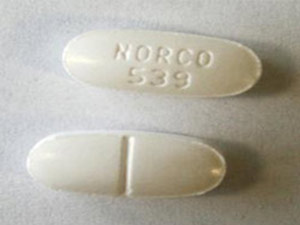
Norco 10/325mg
$418.00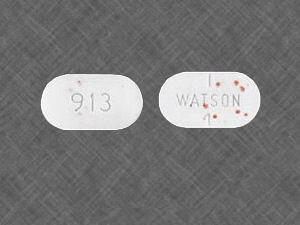
Norco 5/325mg
$348.00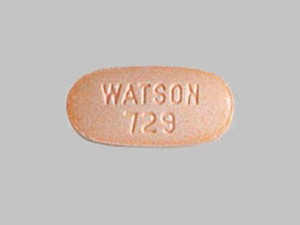
Norco 7.5/325mg
$358.00Norco: What Patients Should Know Before Treatment
Pain can make small things feel big. Climbing stairs. Sitting through a work call. Picking up a child. Trying to sleep for more than two hours at a time.
When pain keeps stacking up like that, people often start searching for fast answers. That is usually the moment bad websites show up. They promise low prices, no delays, and no hard questions. For a drug like Norco, that is exactly where patients can get hurt.
Norco is a prescription medicine that contains hydrocodone and acetaminophen. Hydrocodone is an opioid. Acetaminophen is the same pain-relief ingredient found in many common over-the-counter products. That combination matters because people sometimes focus on the opioid risk and miss the liver risk from taking too much acetaminophen at the same time.
This page is here to slow the process down in a useful way.
If you are trying to figure out whether Norco is appropriate, what the risks are, how legal prescribing works, or how to spot a legitimate pharmacy, start here. If you are in severe distress, having trouble breathing, or worried about an overdose, this is not the right page. Get emergency help now.
What Norco is Actually Used For
Norco is not a first-step answer for every kind of pain. It is generally considered when pain is significant enough that milder options have not done enough, or when a clinician decides that short-term opioid treatment may be appropriate after reviewing the patient’s condition, history, and current medications.
That review matters more than most people realize. Two people can have the same pain score and need very different treatment plans. One may do well with physical therapy, rest, and a non-opioid medicine. Another may need a short course of stronger pain relief after surgery or an injury. A third may not be a candidate for Norco at all because of breathing problems, substance use history, liver disease, or drug interactions.
That is the part many unsafe sites skip. They turn a medical decision into a shopping decision. Those are not the same thing.
Why Buying Opioid Medication from the Wrong Source is Risky
The FDA says unsafe online pharmacies often do not require a doctor’s prescription, may not be licensed in the U.S. or by a state board of pharmacy, may not provide access to a licensed pharmacist, and may sell counterfeit, expired, or otherwise unsafe products.
That warning is easy to skim past until you picture the real-world version of it.
A patient thinks they are ordering a known medication. The package arrives late. The label looks odd. The tablets are a different shape than expected. There is no clear pharmacist contact. The return address is vague. The site already charged the card. At that point, the patient is not comparing prices anymore. They are trying to figure out whether what showed up is even safe to touch.
That is not a rare edge case. It is exactly why verification matters.
What a Legitimate Process Looks Like
A legitimate process is less dramatic than most ad copy makes it sound.
It usually starts with a medical review. A clinician asks what happened, how long the pain has lasted, where it is located, what makes it worse, what has already been tried, and what other conditions or medications are in play. If Norco is not appropriate, that should be said clearly. If more evaluation is needed, that should happen before any prescription decision.
After that, the prescription goes through a licensed pharmacy process. The FDA says safe online pharmacies should require a doctor’s prescription, provide a physical U.S. address and phone number, have a licensed pharmacist available, and be licensed by the relevant state board of pharmacy.
Notice what is missing from that list: hype.
Real care is usually slower than risky care. That is frustrating when you are in pain, but it is still the better trade.
A Blunt Truth About Norco
Norco can help with pain. It can also cause harm.
Hydrocodone products are listed by the DEA as Schedule II controlled substances, a category used for drugs with high abuse potential that can lead to severe psychological or physical dependence .
That does not mean every patient who takes Norco will misuse it. It does mean the decision deserves care, limits, and follow-up. It also means any website that treats it like a casual convenience item should raise concern immediately.
If a page sounds like it is selling sneakers, not medication, that is a problem.
The Part Many People Miss: Acetaminophen Adds a Second Layer of Risk
Here is the detail a lot of competitors would leave out because it is less convenient for conversions: the opioid is not the only issue.
Norco also contains acetaminophen. People sometimes forget that and then take a cold medicine, flu medicine, or extra pain reliever with acetaminophen on top of it. That stacking can push the total daily amount higher than intended and increase the risk of liver injury.
This is one reason a proper medication review matters. It is not just about whether the main drug fits the pain. It is about whether the full combination fits the patient’s real life, including what is already in their medicine cabinet.
Who May Need Extra Caution or a Different Option
Norco is not a simple fit for everyone. People with liver disease, breathing problems, sleep apnea, a history of substance misuse, certain mental health conditions, or a long list of interacting medications may need a different plan. Older adults may also face higher risk from sedation, falls, and confusion.
Even the timing of doses matters. A parent taking medication while waking up twice a night with a baby. A delivery driver with a long route. A caregiver helping an older relative bathe and move safely. Pain treatment does not happen in a vacuum. It happens inside ordinary life, where drowsiness and delayed reaction time can change the risk fast.
That is why a careful assessment can feel repetitive. It is supposed to.
One Honest Limitation
Here is the part most sites avoid saying: sometimes patients come looking for one specific medication, and after review, the answer is no.
Not because the pain is not real. Not because the patient is being judged. Because the medication may not be the safest fit for that situation.
There is no clean marketing spin for that. It can disappoint people. It can also protect them.
We would rather be clear than say what someone wants to hear in the moment.
A Lesson the Healthcare Industry Learned the Hard Way
For years, too much pain care drifted into one narrow lane: rate the pain, write the prescription, move on.
That approach missed context. It missed follow-up. It missed the fact that pain relief and patient safety can pull against each other if nobody is watching carefully. A lot of patients paid the price for that oversimplified model.
The better lesson is not “never treat pain.” The better lesson is “treat pain like it belongs to a whole person.”
That means asking better questions. Looking at function, not just intensity. Reviewing risks before a prescription, not after a problem.
What Patients Should Verify Before Using Any Online Pharmacy
Before using any online pharmacy, check whether it requires a valid prescription, shows a real U.S. address and phone number, offers access to a licensed pharmacist, and appears in state licensing records. The FDA specifically warns against sites that skip these basics or offer prices that seem too good to be true.
That last point matters. “Too good to be true” is not just an old saying in this context. It is a screening tool.
If the price is wildly below normal market range, if the checkout happens before any medical review, or if the site promises to bypass the usual process, step back. Cheap medication is not cheap if the product is fake, unsafe, or the wrong strength.
What a Better Conversation Sounds Like
A better pain-care conversation is less about “How fast can I get this?” and more about:
- What caused the pain?
- What have you already tried?
- How is the pain affecting sleep, walking, work, and daily tasks?
- What else are you taking right now?
- Have you ever had a bad reaction to an opioid or acetaminophen?
- Are there signs that point to something more serious that needs in-person care?
Those questions are not delays for the sake of delay. They are how safer medicine starts.
The Unexpected Detail Worth Remembering
One unexpected but useful detail: patients often judge a medication by whether the pill “looks right.” That instinct is not wrong, but it is incomplete.
The FDA warns that unsafe pharmacies may send medicine that looks different than what you usually receive, arrives in damaged packaging, is labeled in a foreign language, or has no expiration date or an expired date.
In other words, packaging details are not cosmetic. They are part of the safety picture. If something arrives and your first thought is, “This seems off,” listen to that thought.
What This Page is For
This page is for patients who want a straight answer.
Norco is not a casual purchase. It is a controlled prescription medication that may be appropriate in some cases and a poor choice in others. A valid evaluation, a legal prescription process, and a licensed pharmacy are not optional extras. They are the baseline.
If you are looking for treatment, the right next step is a proper medical review. If you already have a prescription and need to fill it, use a licensed pharmacy you can verify. If a site offers shortcuts around either part, that is the warning.
Pain makes people impatient. That is human. But when opioids are involved, speed should not outrank safety.
Our Approach
We keep the process simple on purpose.
First, the condition gets reviewed. Then the risks get reviewed. Then the treatment options get reviewed. If Norco is appropriate, that decision should rest on clinical judgment and legal prescribing standards, not on pressure, panic, or sales language. If it is not appropriate, the next best option should be explained in plain English.
No inflated claims. No pretending every patient fits the same path. No acting like stronger always means better.
Sometimes the best visit ends with a prescription. Sometimes it ends with a different plan entirely. Both outcomes can be the right one.
Final Word
If you remember only one thing from this page, make it this:
A safe pain-treatment process should feel more like a medical decision than an online purchase.
That means real review, real verification, and real limits. It may not feel fast. It may not feel convenient. It does, however, reduce the odds of getting the wrong drug, the wrong dose, the wrong advice, or no real support at all.