
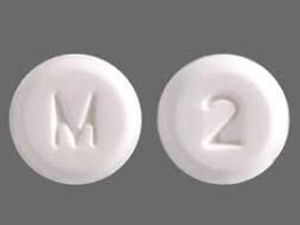
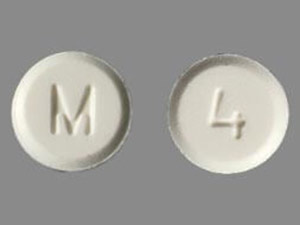
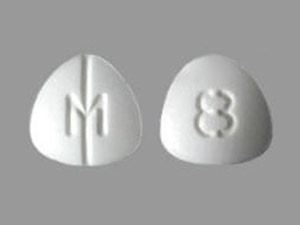
Hydromorphone: What Patients Should Know Before Taking It
Hydromorphone is a strong opioid pain medicine. It is used for severe pain in specific cases, usually when a clinician decides that other options are not enough. This is not a casual medication. It can slow breathing, interact badly with alcohol and other drugs, and cause a fatal overdose if it is taken the wrong way or by the wrong person.
That is the part many websites skip. We won’t.
If you are looking for information about hydromorphone, start here: what it does, why it carries serious risk, what questions to ask a licensed clinician, and what warning signs mean you need help right away.
First, the plain version
Hydromorphone is prescribed for pain, but it also carries a real risk of addiction, misuse, and overdose. The danger is often highest during the first 24 to 72 hours after starting treatment or after a dose increase. It also rises when hydromorphone is mixed with alcohol, sleep medicines, anti-anxiety drugs, or street drugs.
If that sounds serious, it is.
A lot of people think the biggest risk comes from “abuse.” That is only part of the story. Some overdoses happen because a patient did not realize that a second medication also slows breathing. Some happen because leftover tablets were stored in a kitchen drawer. Some happen because someone else in the home took medicine that was never prescribed to them.
Why hydromorphone requires more caution than most pain medicines
The says pain care should aim to reduce pain and help a person function in daily life. That matters, because strong opioids are only one option. Depending on the cause of pain, non-opioid treatments may work as well or better with fewer side effects. Those can include acetaminophen, ibuprofen, physical therapy, exercise, or other non-opioid approaches.
That does not mean opioids never have a role. It means they should not be treated like an easy default.
Hydromorphone can cause:
- serious breathing problems
- extreme sleepiness
- confusion
- constipation
- nausea and vomiting
- itching
- dizziness
- physical dependence, which means stopping suddenly can trigger withdrawal
- tolerance, which means the same dose may feel weaker over time
Those are not rare fine-print issues. They are central to the decision.
Who needs extra caution
Some patients face higher risk and need a deeper review before taking any opioid. That includes people who:
- take benzodiazepines or other sedatives
- drink alcohol regularly
- have sleep apnea or other breathing problems
- have a history of substance use disorder
- are pregnant
- have children or others in the home who could get into the medicine by accident
Pregnancy deserves special mention. Regular opioid use during pregnancy can lead to withdrawal symptoms in a newborn, which can be life-threatening if not recognized and treated.
That is why honest disclosure matters. Not polished answers. Not “I’m fine.” Real answers.
Questions worth asking before any prescription is filled
If a clinician recommends hydromorphone, here are better questions than “How fast can I get it?”
Ask:
- Why this medicine instead of a non-opioid option
- What result should I expect in the next few days
- What side effects should make me call right away
- Whether I should also have naloxone on hand
- How long the treatment is expected to last
- What other medicines, sleep aids, or alcohol I need to avoid
- How to store it so children, teens, and visitors cannot reach it
- How to stop it safely if I have been taking it regularly
That last point matters more than many people think. You should not stop a regularly used opioid abruptly unless a clinician tells you to. Withdrawal can be miserable, and the plan should be supervised.
What safe use actually looks like
Safe use is boring. That is a good sign.
It means taking the medicine exactly as prescribed, not taking extra on a bad day, not mixing it with alcohol, and not sharing it with anyone else. It means watching for sedation, slowed breathing, and trouble waking up. It means follow-up after starting a new opioid or changing the dose. The CDC notes that clinicians may prescribe the lowest effective dose, check prescription monitoring systems, and consider naloxone when overdose risk is higher.
It also means setting honest expectations.
Hydromorphone may reduce pain. It will not erase every symptom or fix the reason the pain exists. For many patients, “better” means being able to get through the day, sleep a little more, move a little easier, or recover from a short-term event without sliding into long-term dependence.
That is a more useful goal than chasing zero pain.
Warning signs you should not ignore
Get urgent medical help if a person taking hydromorphone has:
- slow or shallow breathing
- unusual snoring plus trouble waking up
- lips or fingertips turning blue
- cold, clammy skin
- severe confusion
- inability to respond
- fainting or collapse
Those can be signs of overdose.
If naloxone has been prescribed or supplied, it should be used right away in a suspected opioid overdose while emergency help is on the way. The CDC describes naloxone as a medicine that can reverse opioid overdose.
This is not the moment to “wait and see.”
The part most families underestimate: storage
Here is one detail that sounds small but is not: the bathroom medicine cabinet is a bad place to store hydromorphone.
People do it out of habit. It is also one of the exact places public drug guidance tells patients to avoid, because heat and moisture are not ideal for storage. The medication should stay in its original container, tightly closed, at room temperature, and out of reach of children and anyone else who might take it.
That is the unexpected truth about opioid safety. It is often less about drama and more about routine. Where was it stored? Who could reach it? Was the label followed? Was alcohol involved? Was there naloxone in the house?
Small decisions. Big consequences.
Disposal matters too
Unused opioid medication should not sit around “just in case” for months. If a take-back option is available, use it. If one is not available, MedlinePlus notes that certain forms of hydromorphone may be flushed to reduce the risk of accidental ingestion or misuse. Patients should follow current official disposal guidance for the exact product they were given.
That may surprise people, because most medicines should not be flushed. Hydromorphone is different because the harm from accidental use can be immediate and severe.
One thing we learned the hard way
Early on, we made the same mistake a lot of health websites make.
We assumed patients knew what terms like tolerance, dependence, and respiratory depression meant. Most people do not—at least not when they are in pain, tired, on a phone, and trying to make sense of a strong medication at 11:30 p.m.
So we stopped writing like a drug handbook.
Here is the plain version:
Tolerance means the same dose may feel less effective over time.
Dependence means your body gets used to the drug, so stopping suddenly can cause withdrawal.
Respiratory depression means breathing slows down too much, which can become life-threatening.
If a page about opioids is hard to read, it is not doing its job.
When hydromorphone may not be the right fit
Sometimes the safest answer is not “yes.” It is “not this drug,” “not this dose,” or “not without closer follow-up.”
A careful clinician may decide hydromorphone is not appropriate if:
- the pain can be managed with a safer option
- the patient has a high risk of dangerous interactions
- there are signs the medicine may be misused
- the patient cannot store it safely
- the risks outweigh the expected benefit
That can be frustrating. It can also be the right call.
Saying no to a high-risk prescription is part of patient care too.
A realistic standard for trust
Trust in health care is not built by saying, “Trust us.”
It is built when a patient sees the hard facts before they click anything. It is built when the risks are explained in plain language. It is built when a clinician asks about alcohol, sleep meds, pregnancy, storage, past substance use, and follow-up instead of rushing through a checklist. It is built when the answer is sometimes slower, stricter, or more limited than the patient hoped for.
That is not polished copy. It is what safe prescribing looks like.
Frequently asked questions
Is hydromorphone stronger than common pain relievers?
Yes. Hydromorphone is a strong opioid. It is not in the same category as over-the-counter pain relievers like acetaminophen or ibuprofen, and it should be treated with much more caution.
Can I drink alcohol while taking hydromorphone?
No. Alcohol can increase sedation and breathing problems and can raise the risk of coma or death when combined with hydromorphone.
What if I miss a dose?
Follow the directions given with your prescription and contact your prescriber or pharmacist if instructions are unclear. Do not double up without medical advice.
Should naloxone be available?
In some cases, yes. The CDC notes that clinicians may offer naloxone to help reverse an opioid overdose, especially when risk factors are present.
Can I share leftover tablets with a family member who is in pain?
No. Never share hydromorphone. A dose meant for one person can be dangerous or fatal for another, especially a child or someone not used to opioids.