
Showing all 3 results
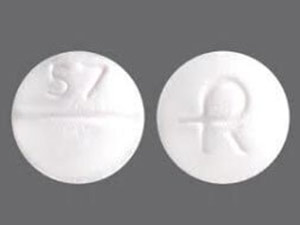
Lorazepam 0.5mg
$307.00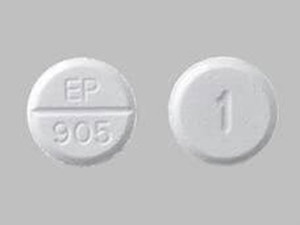
Lorazepam 1mg
$317.00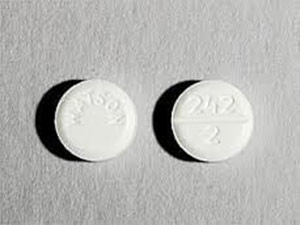
Lorazepam 2mg
$327.00Lorazepam: what patients should know before seeking a prescription online
Lorazepam is a prescription medicine used to treat anxiety and, in some cases, insomnia. It belongs to a drug class called benzodiazepines. These medicines slow activity in the brain, which can reduce panic, restlessness, and the physical symptoms that often come with severe anxiety. That calming effect is the reason some patients benefit from it. It is also the reason the drug can be risky when it is used the wrong way, mixed with other substances, or taken without close medical guidance.
This page is here to do something most online pharmacy pages skip. It does not try to “sell” lorazepam with glossy promises. It explains what the medicine is, who it may help, who should be cautious, and what safety checks matter if you are looking for care online. If a page about lorazepam does not clearly explain dependence, breathing risks, and prescription rules, that is not a small omission. That is the main story.
What lorazepam is actually used for
Lorazepam is commonly prescribed to relieve anxiety. It may also be used for insomnia related to anxiety, and in some settings doctors use it for other medical reasons, such as controlling agitation related to alcohol withdrawal or helping manage nausea from cancer treatment. That does not mean it is a casual sleep aid or a one-size-fits-all answer for stress. It is a serious prescription drug, and it should be matched to the right patient, the right dose, and the right duration.
That last point matters. Lorazepam is often meant for short-term or carefully monitored use, not open-ended use without follow-up. The risk of physical and psychological dependence goes up with higher doses and longer use. The FDA-approved label is blunt about that. So is MedlinePlus. If a site makes lorazepam sound simple, routine, or harmless, it is leaving out the part that protects patients.
The biggest safety warning is not subtle
The FDA label for lorazepam carries a boxed warning about combining benzodiazepines with opioids. That combination can cause profound sedation, slowed breathing, coma, and death. The label also warns that lorazepam itself can contribute to potentially fatal respiratory depression, especially when mixed with other central nervous system depressants. In plain English: if someone is taking opioid pain medicine, drinking alcohol, using certain sleep drugs, or taking other sedating medications, lorazepam can become much more dangerous much faster than people expect.
This is not a rare, technical concern buried in a footnote. The National Institute on Drug Abuse reports that in 2021, nearly 14% of opioid overdose deaths also involved benzodiazepines. One North Carolina cohort study found that the overdose death rate was 10 times higher among patients receiving both opioids and benzodiazepines than among patients receiving opioids alone. Those numbers are why responsible pages about lorazepam should lead with risk, not convenience.
Who should stop and talk to a clinician first
Lorazepam may not be appropriate for everyone. Patients should talk openly with a licensed clinician before taking it if they have a history of substance misuse, heavy alcohol use, depression, sleep apnea, chronic obstructive pulmonary disease, asthma, liver disease, seizures, or glaucoma. Older adults also need added caution because sedative effects can hit harder and last longer. These are not edge cases. They are the kinds of details that change whether a prescription is reasonable at all.
Here is the honest limitation that belongs on every page about this drug: no website can tell you whether lorazepam is safe for you. A clean product photo cannot show your breathing risk, medication interactions, pregnancy status, age-related sensitivity, or history of dependence. That decision has to come from a real clinical review. Anything less is guesswork dressed up as convenience.
Common side effects patients should expect, not be surprised by
The most common side effects listed by MedlinePlus include drowsiness, dizziness, weakness, and unsteadiness. That may sound manageable until you picture the real-life version: driving to work half-alert, getting up at night and falling, taking a second sedating medicine by accident, or trying to care for a child while you feel slowed down and foggy. A plain-spoken page should spell this out. Sedation is not just a line on a label. It changes how safely you can function.
More serious problems need urgent attention. These include slowed or difficult breathing, extreme sleepiness, unresponsiveness, wheezing, rash, swelling of the face or mouth, and yellowing of the skin or eyes. Patients and family members should know these signs before the first dose, not after a bad night. That is especially important when a patient also uses alcohol, opioids, or any medicine that causes sleepiness.
Stopping suddenly can be dangerous
A lot of people understand addiction in a vague way. Fewer understand withdrawal. Lorazepam should not be stopped suddenly without medical advice, especially after regular use. MedlinePlus warns that abrupt dose reduction or discontinuation can lead to serious symptoms, including anxiety, memory problems, trouble sleeping, shaking, muscle twitching, depression, unusual movements, and seizures. That is why tapering matters. “I felt better, so I quit cold turkey” is not a safe plan with this drug.
That warning also exposes a common mistake in online medicine culture: treating prescription access as the whole problem. It is not. Follow-up matters just as much as the initial prescription. If a service makes it easy to get a sedative but hard to ask questions, review side effects, or plan a safe taper, the convenience is not worth much.
A fact many pages leave out
Lorazepam is a Schedule IV controlled substance. That means it has accepted medical use, but it also carries abuse and dependence risk under U.S. drug scheduling rules. This is one of those details that should be obvious to patients and often is not. A controlled substance is not the same as an everyday refill item. It comes with tighter expectations around prescribing, monitoring, identity checks, and legal compliance.
An unexpected detail from patient guidance: MedlinePlus notes that some extended-release lorazepam capsules can be opened and sprinkled on a spoonful of applesauce if a patient cannot swallow the capsule whole, and the oral concentrate may be mixed with water, juice, applesauce, or pudding just before use. That sounds minor, but it tells you something important. This medicine comes in more than one form, and the correct way to take it depends on the exact product prescribed. “Lorazepam” is not one interchangeable thing. The label and pharmacist instructions matter.
What the FDA says to check before using an online pharmacy
The FDA does not tell people to avoid all online pharmacies. It does say patients should be careful, because many unsafe sites claim to sell prescription drugs at steep discounts, often without requiring a prescription. According to the FDA, a safe online pharmacy should require a doctor’s prescription, provide a U.S. physical address and phone number, have a licensed pharmacist available to answer questions, and be licensed by a state board of pharmacy. The FDA’s BeSafeRx campaign exists for exactly this reason.
The red flags are even more useful. FDA says patients should be cautious if a site does not require a prescription, offers prices that look too good to be true, fails to explain how it protects personal and financial information, or ships medicine that looks different from what a patient normally receives. One of the most overlooked warning signs is packaging in a foreign language, broken packaging, no expiration date, or an expired date. That is not cosmetic. It can be a clue that the product is unapproved, counterfeit, poorly stored, or unsafe.
Questions patients should ask before any prescription is filled
Patients deserve plain answers. What condition is this meant to treat in my case? How long am I expected to take it? What other medicines, supplements, or alcohol use make it unsafe? What should I do if I miss a dose? How will we decide whether it is helping? What is the taper plan if I need to stop? If an online service cannot answer those questions clearly, that is information by itself.
Patients should also tell their clinician about every other substance they use. NIDA and the FDA both underline the risks of combining sedatives, opioids, and alcohol. This is one of those cases where holding back “just one medication” from the intake form can change the safety picture in a serious way. The safest prescription is built on complete information, not speed.
Storage, disposal, and household safety
Lorazepam should be kept tightly closed, at room temperature, and out of the reach of children. MedlinePlus also advises patients to use a medicine take-back program for disposal rather than flushing unused medication. That may sound routine, but it matters more with sedatives than people think. A medicine that is “just for anxiety” in one adult can be dangerous if a child, teen, or another adult takes it by mistake.
If overdose is suspected, emergency help should be sought right away. MedlinePlus lists overdose symptoms such as extreme tiredness, confusion, slowed breathing, slowed heartbeat, coordination problems, and loss of consciousness. Those are not symptoms to “watch for a while.” They are signs to act on.
The bottom line
Lorazepam can help some patients. It can also harm patients when it is prescribed carelessly, mixed with the wrong substances, or used longer than planned. That is the truth. A responsible website should make that clear before anything is added to a cart, before any discount code is shown, and before anyone mistakes a controlled sedative for a low-risk convenience purchase.
If you keep a page about lorazepam online, make it useful. Explain what the drug treats. Explain the boxed warning. Explain dependence and withdrawal. Explain how patients can verify an online pharmacy. Explain when to call a doctor and when to call emergency services. That kind of copy does not sound flashy. Good. Flashy is the wrong tone for this subject. Clear is better. Accurate is better. Safer is better.