
Showing all 7 results

Blue Xanax bars
$348.00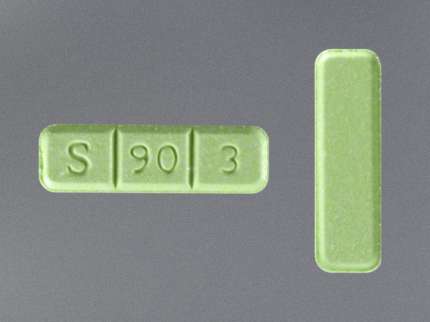
Green Xanax Bar
$357.00
Red Xanax Bar
$348.00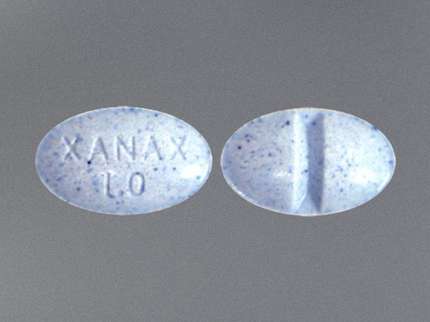
Xanax 1mg
$307.00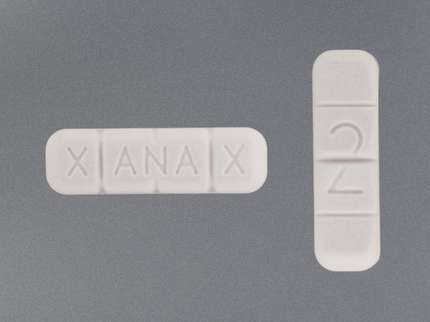
Xanax 2mg
$311.00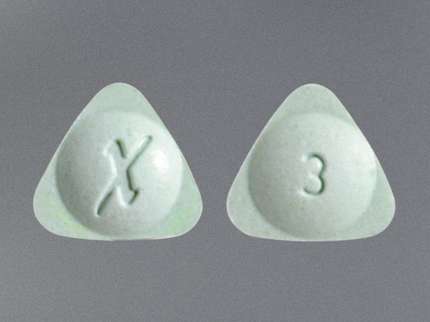
Xanax XR 3mg
$311.00
Yellow Xanax Bar
$357.00Xanax (Alprazolam): What Patients Should Know Before Seeking Treatment
Anxiety can make ordinary life feel hard.
It can show up as a racing heart before work, a tight chest in the grocery store, or the kind of restless sleep that leaves you more tired in the morning than you were the night before. Some people deal with full panic attacks. Others feel wired all day and drained by evening. Either way, when symptoms keep building, people start looking for relief fast.
That urgency is real. But so is the risk of taking the wrong shortcut.
Xanax, also known by the generic name alprazolam, is not a casual medication. It is a prescription drug that needs careful medical review, clear instructions, and follow-up. A page like this should not promise quick fixes, overnight answers, or easy access. It should do something more useful: explain what the medication is, who it may or may not be appropriate for, and how a patient can get evaluated through the proper legal and clinical process.
That is the point of this page.
First, the Honest Part
Some people land on pages about Xanax because they are scared, overwhelmed, and trying to make the feeling stop. Others are comparing options after a doctor already mentioned the medication. And yes, some are looking for the fastest possible way to get it.
We are not going to pretend those are the same situation.
If you are looking for a prescription medication, the safe route is the slower route: medical history, symptom review, medication screening, and a licensed clinician making the decision. That process can feel inconvenient when you are anxious. It is still the right process.
That may cost us some impatient clicks. It also makes this page more useful.
What Xanax Is
Xanax is the brand name for alprazolam. It belongs to a group of medications called benzodiazepines. These medications are sometimes prescribed for anxiety or panic symptoms, but they are not the right fit for every patient, and they are not a long-term solution for everyone.
That distinction matters.
A lot of people talk about anxiety treatment as if there is one pill that solves the problem. Real care is usually messier than that. It may involve therapy, sleep changes, medication review, follow-up visits, and sometimes a decision not to prescribe a medication that the patient expected to receive.
That is not a failure. That is care.
When People Usually Ask About It
Most people do not come looking for Xanax because they are curious. They come looking because something feels unmanageable.
Common reasons include:
- sudden episodes of panic
- intense short-term anxiety
- fear tied to travel, crowds, or specific situations
- stress that spills into sleep, work, or family life
- prior use of the medication and a desire to restart it
Those are real concerns. But the next step should still be evaluation, not automatic medication access.
A name on a bottle is not a diagnosis.
Why Medical Review Matters
A medication that helps one patient can be the wrong choice for another.
That is why a licensed clinician needs to review things like:
- your current symptoms
- how long the symptoms have been happening
- other medications you take
- past reactions to anxiety medications
- alcohol or substance use history
- sleep patterns
- work or driving demands
- pregnancy or breastfeeding status
- whether your symptoms could be linked to another medical or mental health issue
This is the part many websites skip because it is less exciting than a “buy now” button.
It is also the part that keeps people safer.
What a Responsible Care Process Looks Like
A responsible process is not mysterious. It is just structured.
- You describe the problem clearly
Not “I need Xanax.” Start with what is actually happening.
For example:
- “I have panic symptoms before leaving the house.”
- “My anxiety spikes at night and I cannot sleep.”
- “I feel shaky and overwhelmed in meetings.”
- “I used this medication years ago and want a safe review before considering it again.”
That gives a clinician something real to evaluate.
- A clinician reviews history and risk
This includes current medications, past diagnoses, allergies, and treatment history. It may also include questions some patients do not expect, like caffeine intake, alcohol use, missed sleep, or recent life changes. Those details matter more than people think.
- Treatment options are discussed
Xanax may be discussed. It may also not be recommended. A clinician may suggest a different medication, therapy, short-term monitoring, or a completely different path depending on your symptoms and risk profile.
- If prescribed, use is limited and monitored
This is not the kind of medication people should adjust casually on their own. If it is prescribed, patients need clear instructions, warning signs, and follow-up.
- Ongoing review matters
Anxiety changes. Stress changes. Life changes. A medication plan that made sense at one point may need to change later.
That is why good care is a process, not a transaction.
What This Page Should Not Promise
Let’s be direct.
A responsible website should not promise:
- guaranteed approval
- no-questions-asked access
- instant prescriptions
- unlimited refills
- “safe for everyone”
- one-size-fits-all dosing
- medication without legal review
- replacement for emergency mental health care
If a page makes those promises, the page is selling certainty it cannot honestly provide.
One Thing Many Competitors Will Not Say
Sometimes the right answer is no.
No, this medication is not the safest fit for your situation.
No, your symptoms need a broader evaluation first.
No, restarting an old prescription without review is not smart.
No, severe anxiety with chest pain, fainting, or thoughts of self-harm should not be handled through routine online shopping behavior.
That is not a marketing line. It is a clinical line.
And it is one of the few lines on a page like this that actually protects the reader.
Our Lesson: Speed Can Make People Feel Less Safe, Not More Safe
Here is the honest statement many health sites leave out.
The first instinct in digital health is often to remove every bit of friction. Fewer steps. Fewer questions. Faster checkout. Faster forms. Faster decisions.
That logic works for shoes. It does not always work for anxiety medication.
When people are scared, moving too fast can make a site feel efficient in the moment and irresponsible an hour later. Patients often need a clear process more than they need a fast page. They need to know why questions are being asked. They need to know that a clinician may say yes, no, or not yet. They need to know the site is built for patient safety, not impulse behavior.
That is a harder message to write. It is also the one worth publishing.
If You Are Considering Care, Start Here
If you are dealing with anxiety or panic symptoms and are trying to figure out what to do next, start with these questions:
- What symptoms am I actually having?
Be specific. “Anxiety” can mean ten different things. Write down what happens in your body, when it starts, how long it lasts, and what makes it worse.
- How often is this happening?
Once a month is different from every day. A pattern helps a clinician assess severity and possible causes.
- What have I already tried?
That could include therapy, breathing exercises, sleep changes, prior prescriptions, or nothing at all. All of that is useful context.
- Am I looking for treatment or relief in the moment?
Those are not always the same thing. People in crisis often search differently from people seeking a long-term plan.
- Do I need urgent help?
If you are in immediate danger, feel unable to stay safe, or believe you may harm yourself or someone else, do not rely on a product page. Seek emergency help right away.
Short sentence. Big difference.
What Good Patient Education Sounds Like
Good patient education does not talk down to people. It does not throw medical jargon at them either.
It sounds like this:
- Here is what the medication is.
- Here is why it requires clinician review.
- Here are situations where it may not be the right fit.
- Here is how to seek care legally.
- Here is when to stop browsing and get urgent help.
That kind of writing does not create as much hype. It creates more clarity.
An Unexpected Detail That Matters
People often remember the color, shape, or street nickname of a pill more easily than they remember the medical reasons it was prescribed.
That is backward, but it is common.
When a page leans hard on product appearance and barely explains clinical context, it teaches the reader to think like a shopper instead of a patient. That may increase clicks. It lowers the quality of the decision.
A better page flips that. It puts the patient’s situation first and the product second.
What to Do Before Any Medication Discussion
Before asking whether Xanax is right for you, take ten quiet minutes and write down:
- when the anxiety started
- what it feels like physically
- whether panic is involved
- what time of day it gets worse
- any major life changes in the past few months
- what medications or supplements you already take
- whether sleep, alcohol, or caffeine seem to affect it
That simple note is often more useful in a clinical review than a long emotional explanation typed in a hurry.
If You Run a Healthcare Website, Here Is the Trust Test
A useful medication page should be able to answer these questions clearly:
- Does this page explain that a prescription medication requires clinician review?
- Does it avoid guaranteed outcomes?
- Does it explain that not every patient is a fit?
- Does it point patients toward legal care, not impulse purchase behavior?
- Does it tell people what to do in an emergency?
- Does it sound like a healthcare page or a discount product page?
If the answer to those questions is no, the copy needs work.
A Better Call to Action
If this page needs a call to action, make it honest.
- Not: Buy now
- Better: Request a clinician review
- Start a confidential assessment
- Speak with a licensed provider about anxiety treatment options
- Find out whether medication, therapy, or another plan makes sense for you
Those calls to action match the reality of care.
Final Word
People who search for Xanax are often not looking for content. They are looking for relief.
That is exactly why the content matters.
A weak page treats the visit like a sale. A strong page treats it like the start of a medical decision. It explains the drug plainly. It respects urgency without exploiting it. It does not promise outcomes it cannot control. And it gives patients a clear next step that is legal, safer, and more likely to help.
If you publish a page about Xanax, make it a page that slows the reader down just enough to make a better decision.
That is not flashy. It is useful.
And useful is what people remember when they are scared.